HemeHub
Committed to Hematology
A leading resource for advancing care and knowledge in hematological disorders. We provide case-based learning resources, targeted training, conference insights, and case reviews, connecting professionals and trainees with top experts in hematology.
Upcoming Live Webinars
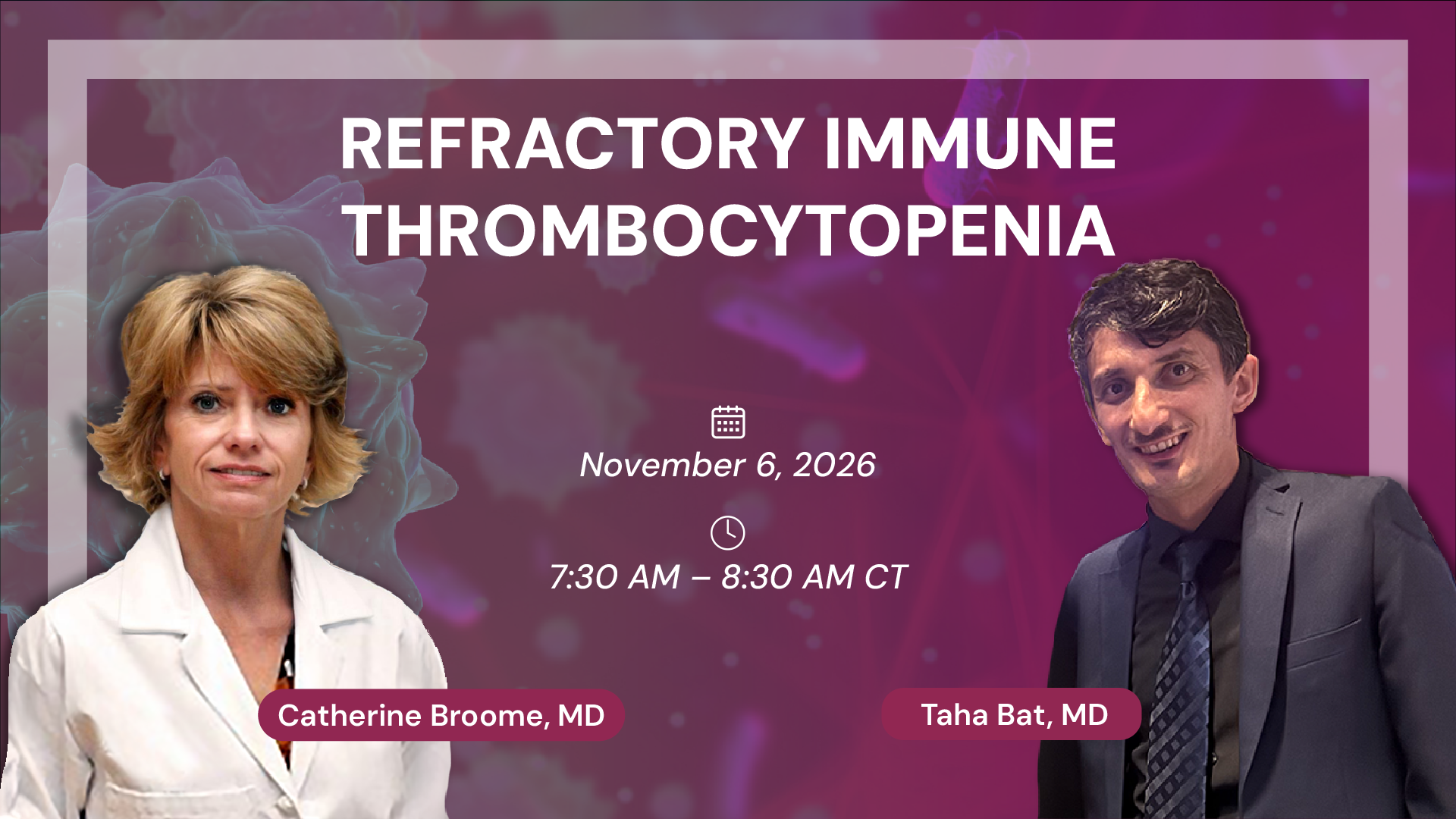
Catherine Broome, MD, is a Professor of Medicine in the Division of Hematology/Oncology at MedStar Georgetown University Hospital in Washington, DC. She is board-certified in internal medicine, hematology, and medical oncology. Catherine Broome, MD has been on staff at the Georgetown Lombardi Comprehensive Cancer Center for over a decade, where she specializes in benign hematology. Her clinical expertise encompasses a range of hematologic disorders, including immune thrombocytopenia (ITP), autoimmune hemolytic anemia, cold agglutinin disease, hemophagocytic lymphohistiocytosis, paroxysmal nocturnal hemoglobinuria (PNH), and pure red cell aplasia. Catherine Broome, MD is actively involved in clinical research and offers patients the opportunity to participate in clinical trials for various hematologic conditions. In addition to her clinical work, Catherine Broome, MD serves as an associate professor in the Department of Medicine at Georgetown University, contributing to the education and training of future physicians. She also participates in the hospital's safety committee, focusing on developing programs and policies to ensure patient safety throughout MedStar Health. Catherine Broome, MD's approach to patient care emphasizes collaboration, providing patients with the most up-to-date information and treatment options, and developing personalized treatment plans that consider all aspects of the patient's life.
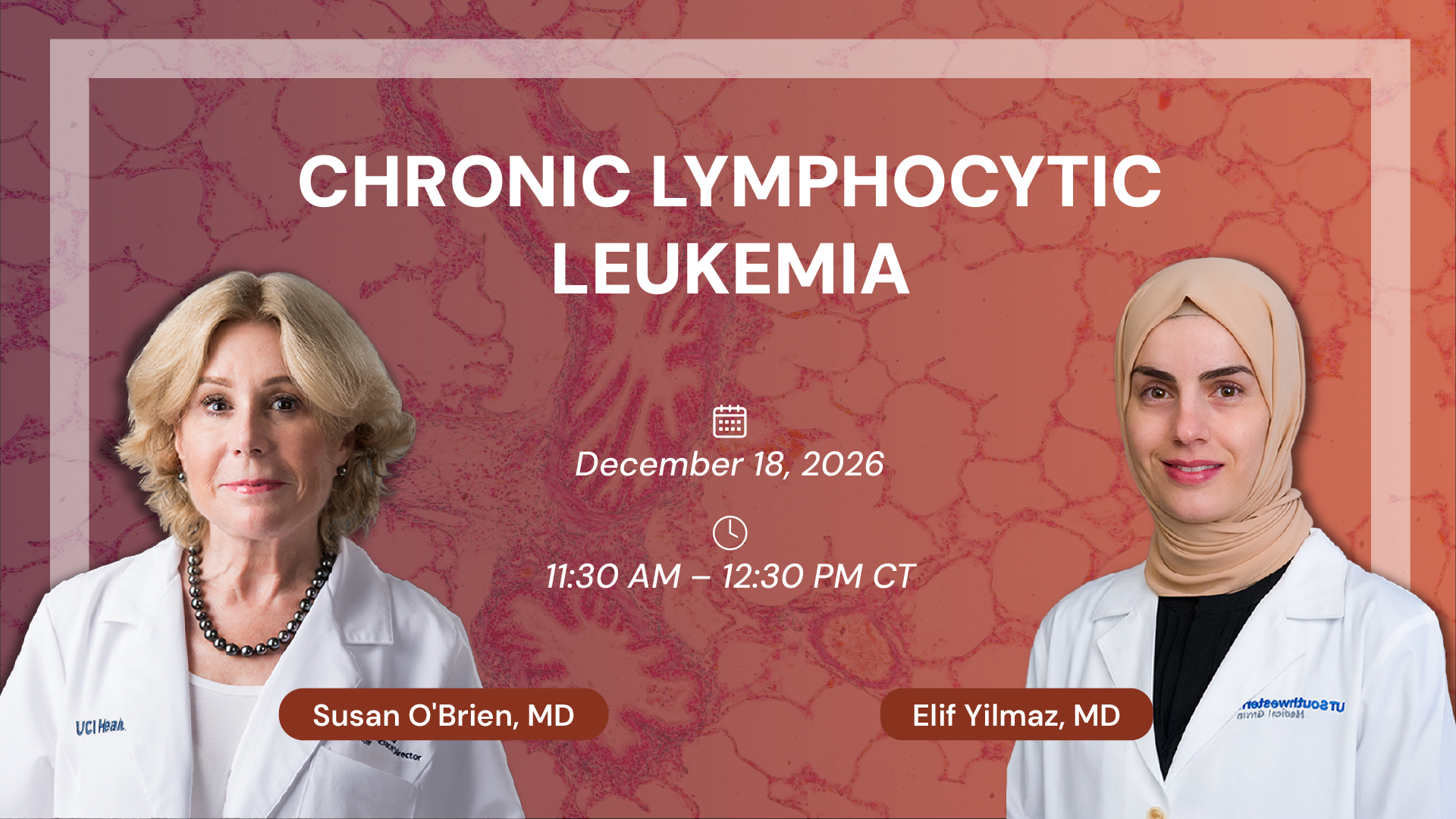
Susan O'Brien, MD, is a Professor of Medicine in the Division of Hematology/Oncology at the University of California, Irvine, where she previously served as Associate Director for Clinical Science at the Chao Family Comprehensive Cancer Center. She earned her medical degree at the University of Medicine and Dentistry of New Jersey and completed her fellowship in Hematology/Oncology at MD Anderson Cancer Center, where she later held the Ashbel Smith Professorship of Medicine. Internationally recognized for her expertise in leukemia, Susan O'Brien, MD has been instrumental in developing novel therapies for both acute and chronic forms of the disease, with a particular focus on chronic lymphocytic leukemia (CLL). She was a leading investigator in the early clinical trials of ibrutinib (Imbruvica), a groundbreaking therapy for CLL, and has served as principal investigator on numerous clinical studies. Susan O'Brien, MD has authored more than 900 peer-reviewed publications, making her one of the most highly cited researchers in the field of leukemia. She also serves in leadership roles with cooperative oncology groups and contributes to patient advocacy through her work with organizations such as the CLL Society. Her achievements have been recognized with multiple honors, including the Giant of Cancer Care Award in Leukemia, the Binet–Rai Medal for innovation in CLL research, and the Excellence in Scientific Service Award from the Leukemia & Lymphoma Society.
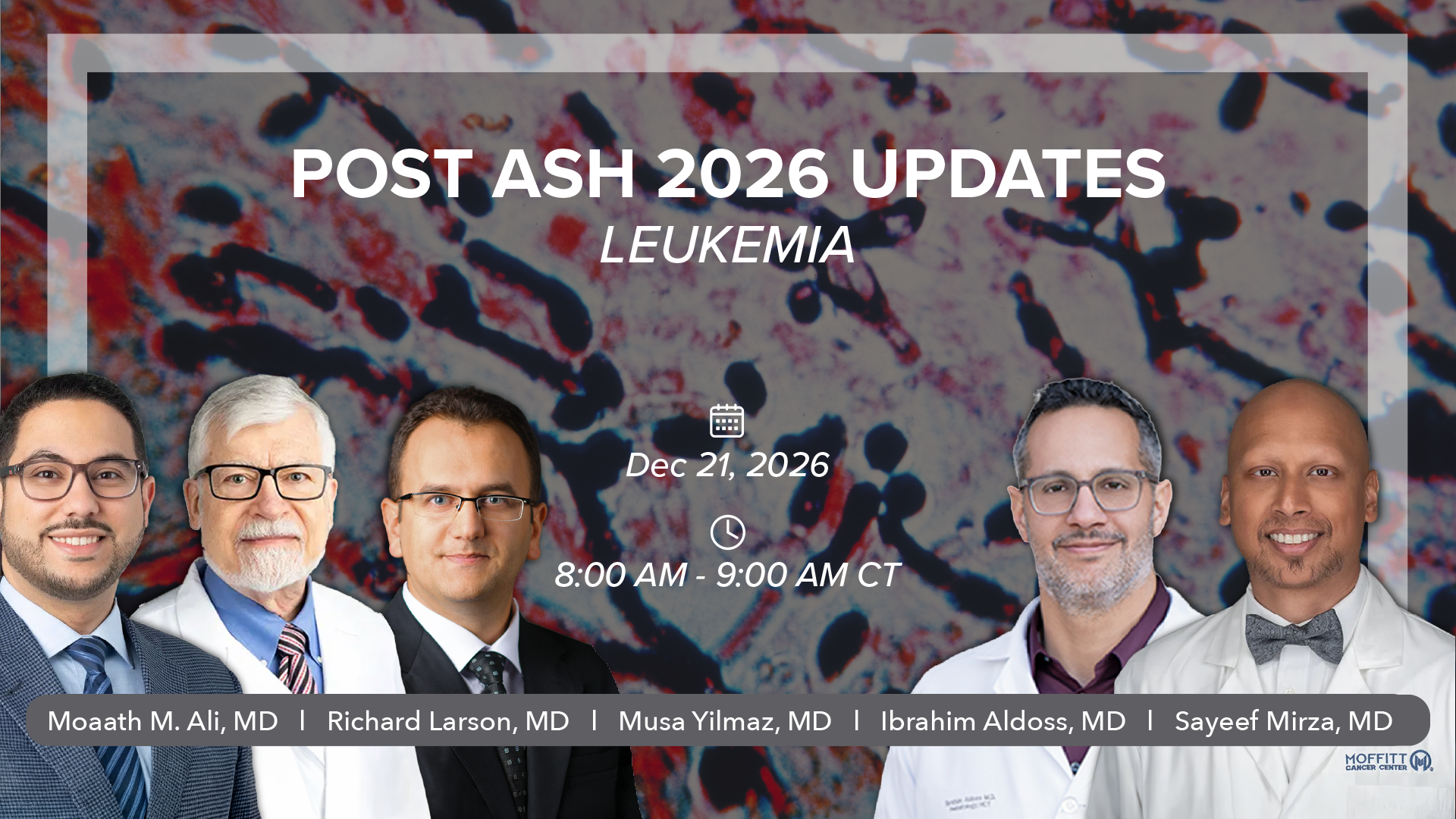
ASH 2026 is poised to bring important new developments across the leukemia treatment landscape, and this session is designed to distill the data that matters most for practice. We are privileged to bring together a distinguished panel of nationally recognized leukemia experts who will review the highest-impact presentations across chronic myeloid leukemia (CML), myelodysplastic syndromes (MDS), acute myeloid leukemia (AML), and acute lymphoblastic leukemia (ALL). Drawing on deep clinical and research expertise, our faculty will spotlight practice-changing trials, emerging targeted and immune-based therapies, and evolving standards of care, translating complex data into actionable guidance. Attendees will leave with a clear understanding of how the latest findings apply to real-world patient management. Designed for hematologists, oncologists, advanced practice providers, fellows, and other members of the hematology/oncology care team.
Upcoming Events

Hemehub Myeloma Workshop
The HemeHub Myeloma Workshop brings together a select group of leading myeloma experts for focused sessions dedicated to clinical insights, treatment strategies, and emerging approaches in diagnosis, management, complications, and long-term care. Designed as an intimate, high-level forum, the workshop pairs expert faculty with industry partners for substantive scientific dialogue. Attendance is limited to invited faculty and confirmed exhibitors.
Date
April 3, 2027
Location
Gaylord Texan Resort & Convention Center, Grapevine, Texas

HemeHub Lymphoma Workshop
The HemeHub Lymphoma Workshop brings together a select group of leading lymphoma experts for focused sessions dedicated to clinical insights, treatment strategies, and emerging approaches spanning diagnosis, therapy, complications, and refractory disease management. Designed as an intimate, high-level forum, the workshop pairs expert faculty with industry partners for substantive scientific dialogue. Attendance is limited to invited faculty and confirmed exhibitors.
Date
April 3, 2027
Location
Gaylord Texan Resort & Convention Center, Grapevine, Texas
Latest Live Webinars
Smoldering Multiple Myeloma
Multiple Myeloma
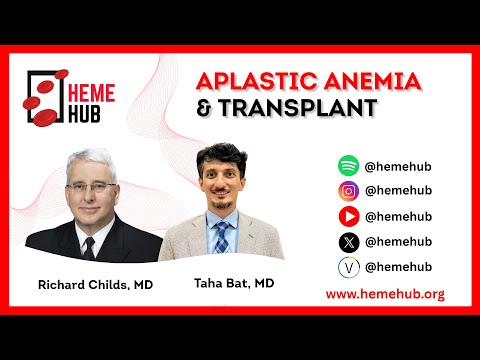
Aplastic Anemia and Transplant
In their comprehensive discussion titled "Aplastic Anemia and Transplant," Richard Childs, MD and Taha Bat, MD provide crucial insights into the diagnosis and treatment of aplastic anemia, with a significant focus on various transplant considerations. They illustrate their points using a detailed case study of a 38-year-old female diagnosed with severe aplastic anemia. Throughout the talk, they meticulously cover essential aspects such as diagnostic procedures, the critical urgency of initiating transplant, the process of selecting an appropriate donor, the specifics of conditioning regimens, and vital post-transplant management strategies. Their presentation aims to guide medical professionals through the complex decision-making process involved in effectively managing patients with aplastic anemia.
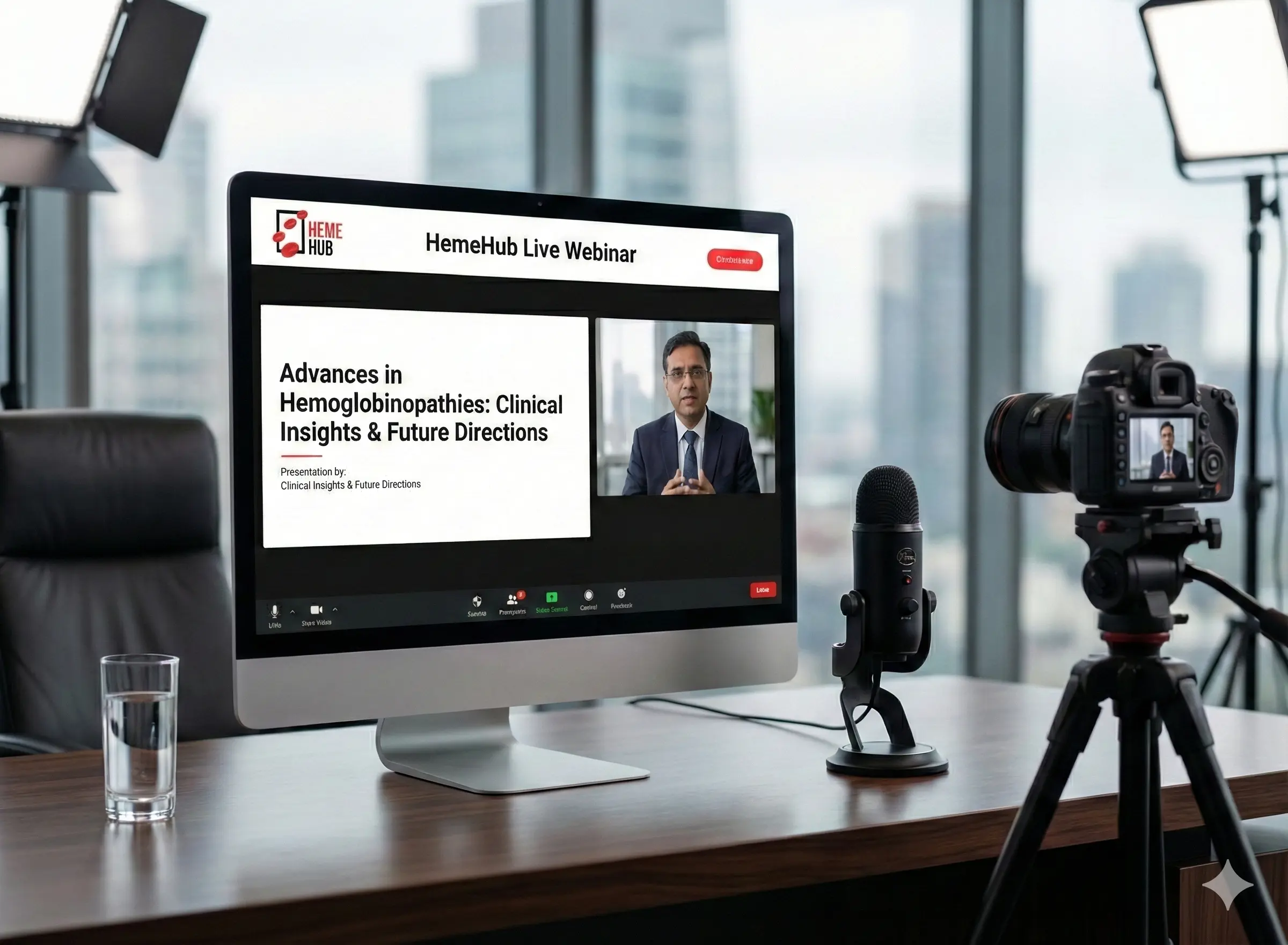
Live Webinars
Join live case discussions and expert sessions with leading hematology professionals worldwide.

Events
Explore upcoming HemeHub events designed to bring hematology professionals together for expert insights and engaging panel discussions.
Group Specific Education
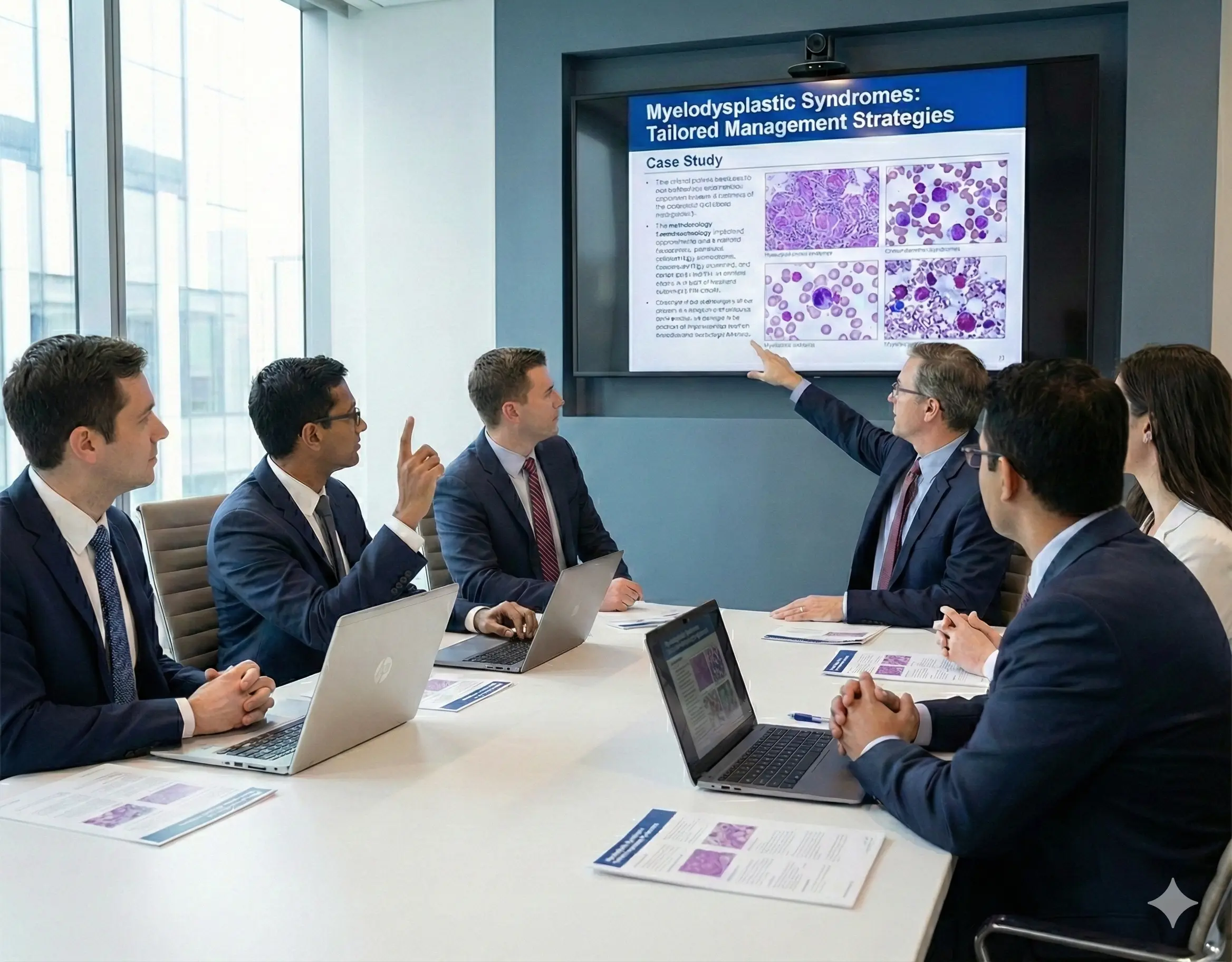
Access tailored training programs and educational content designed for different professional groups.
Editorial Board
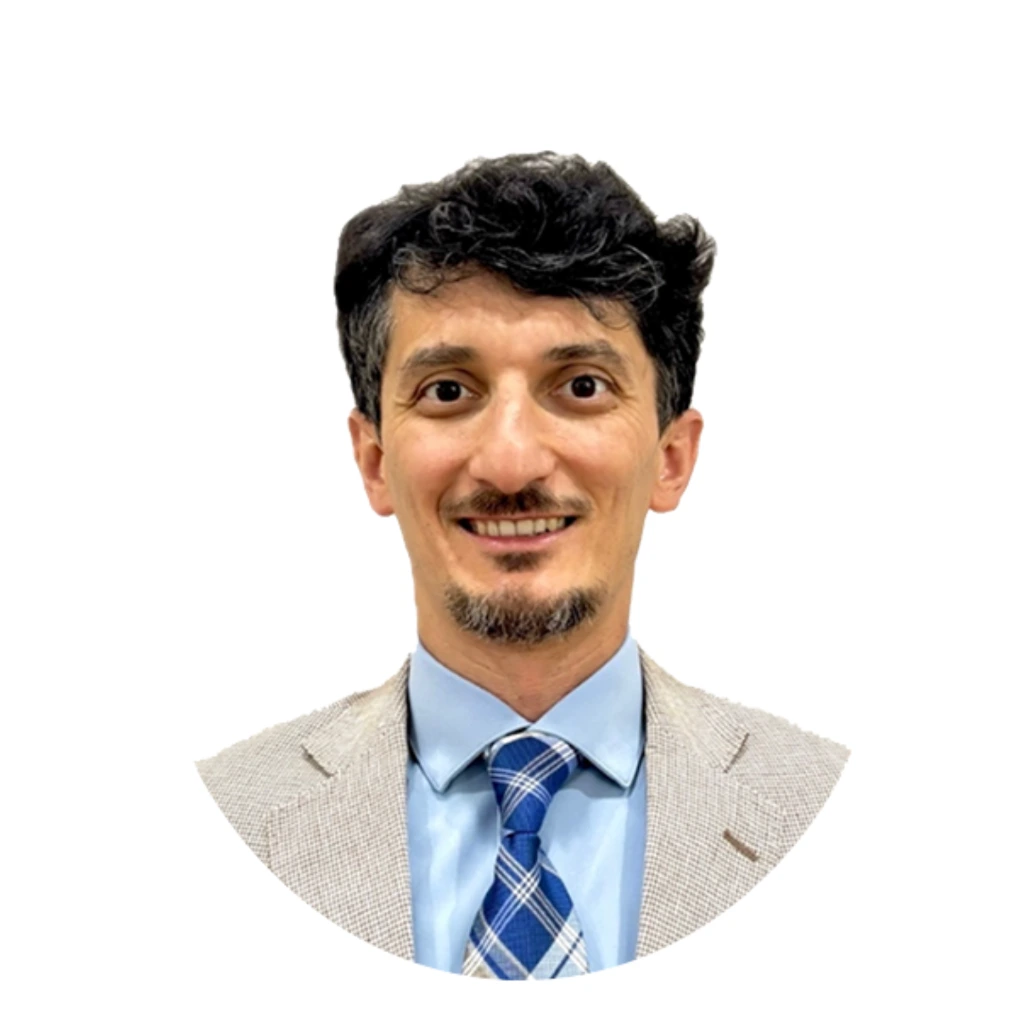
Taha Bat, MD
University of Texas Southwestern Medical center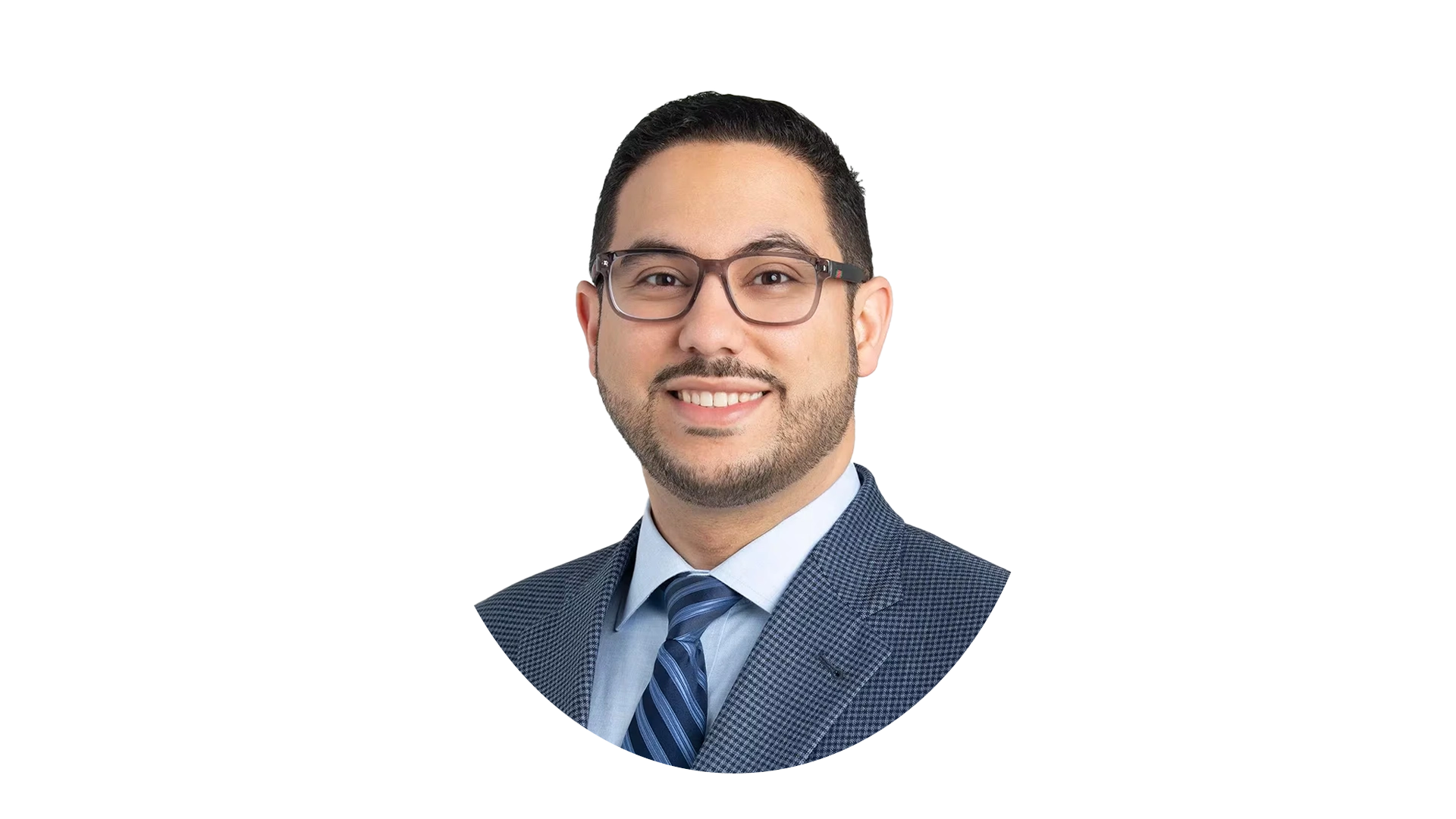
Moaath Mustafa Ali, MD, MPH
Cleveland Clinic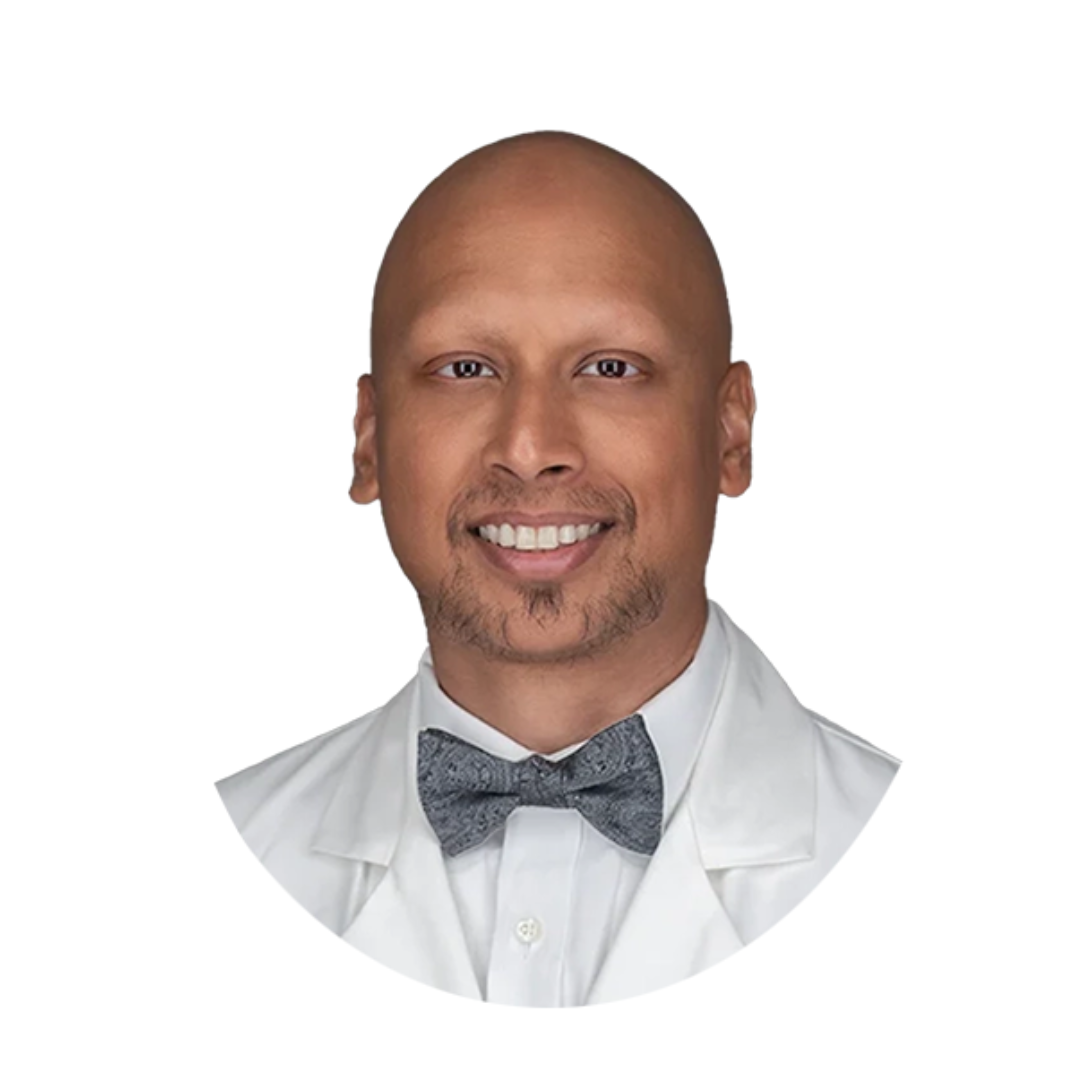
Sayeef Mirza, MD, MPH
Moffitt Cancer Center
Ibrahim Ibrahim, MD
University of Texas Southwestern Medical center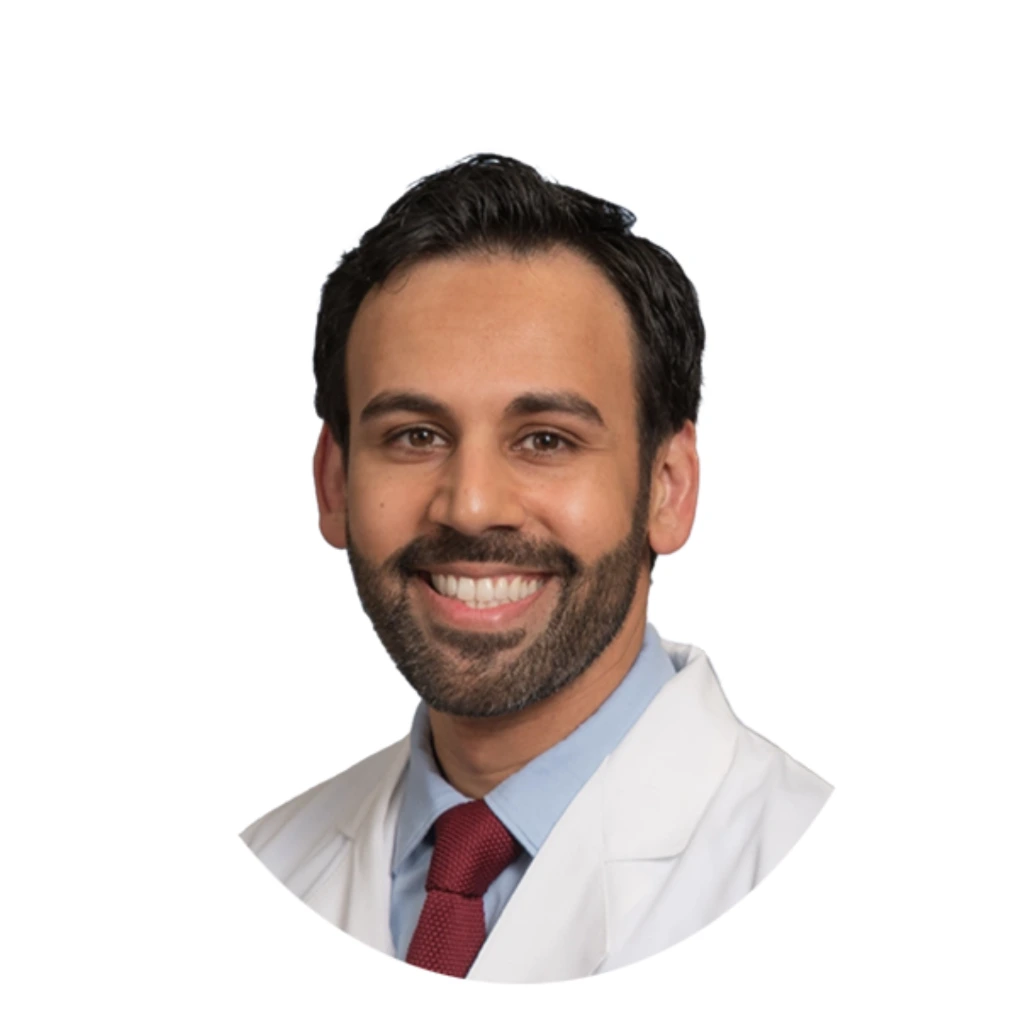
Adeel Khan, MD, MPH, MS
University of Texas Southwestern Medical center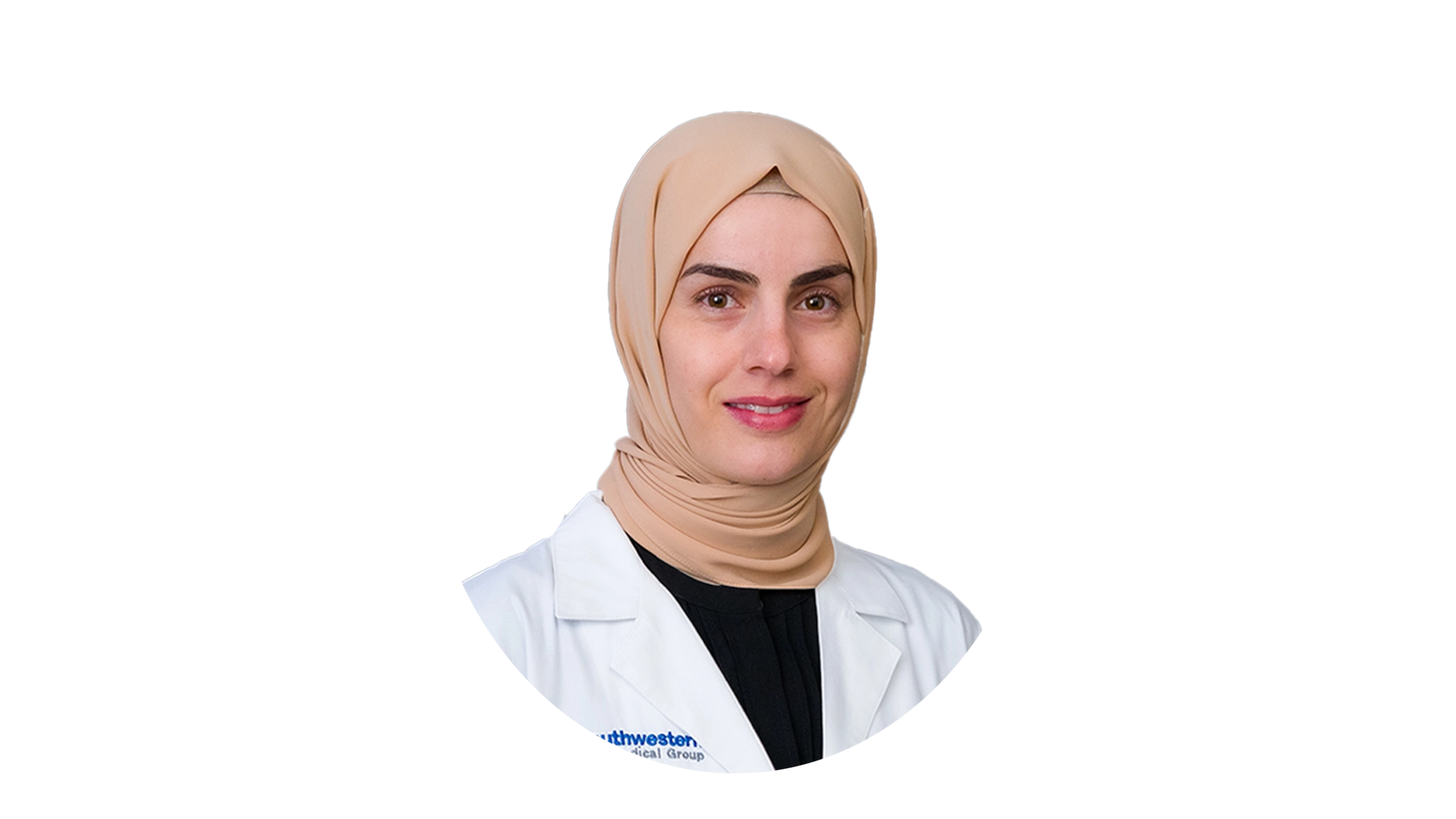
Elif Yilmaz, MD
University of Texas Southwestern Medical centerScientific Advisory Board
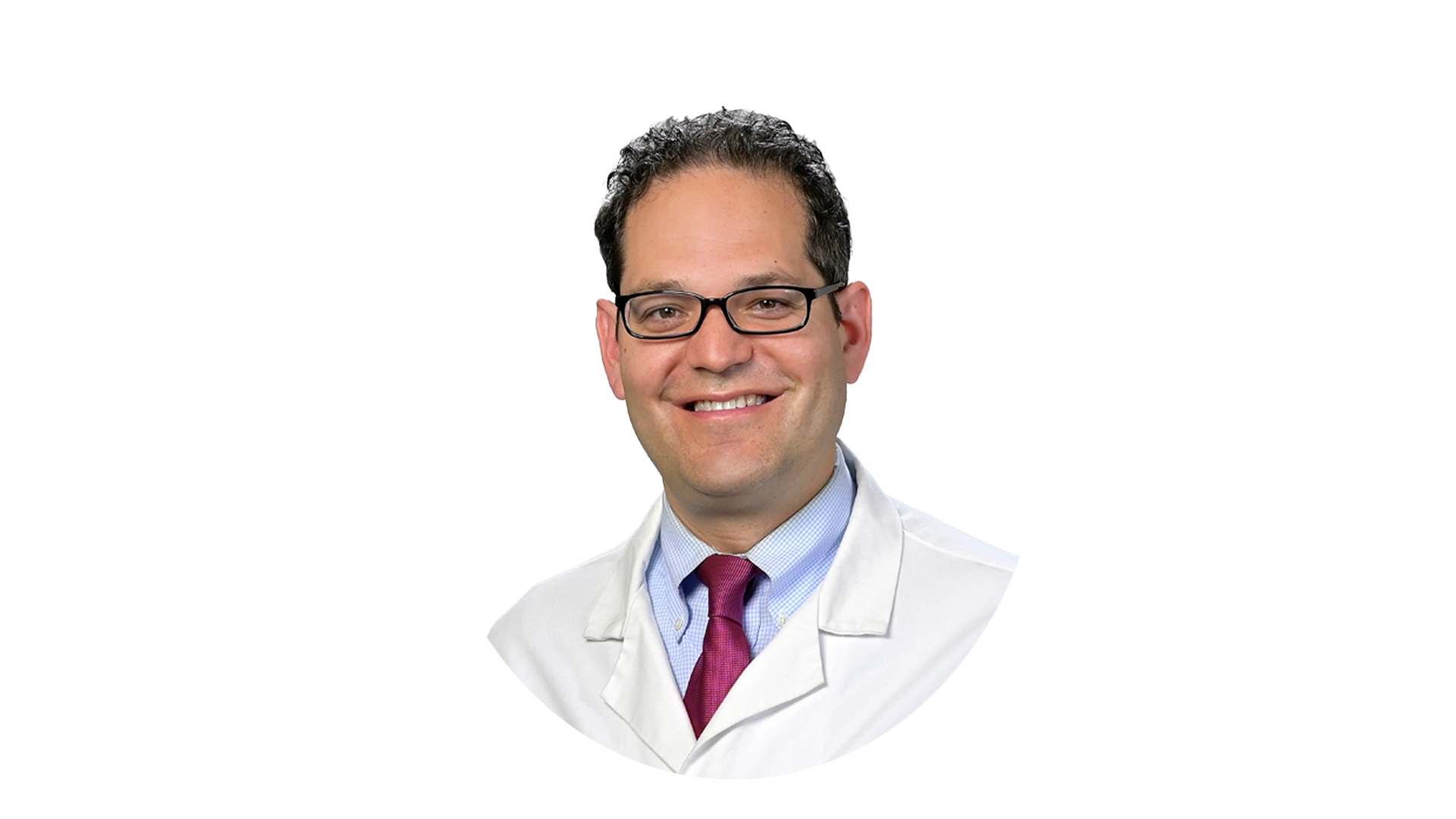
Adam Cuker, MD, MS
University of Pennsylvania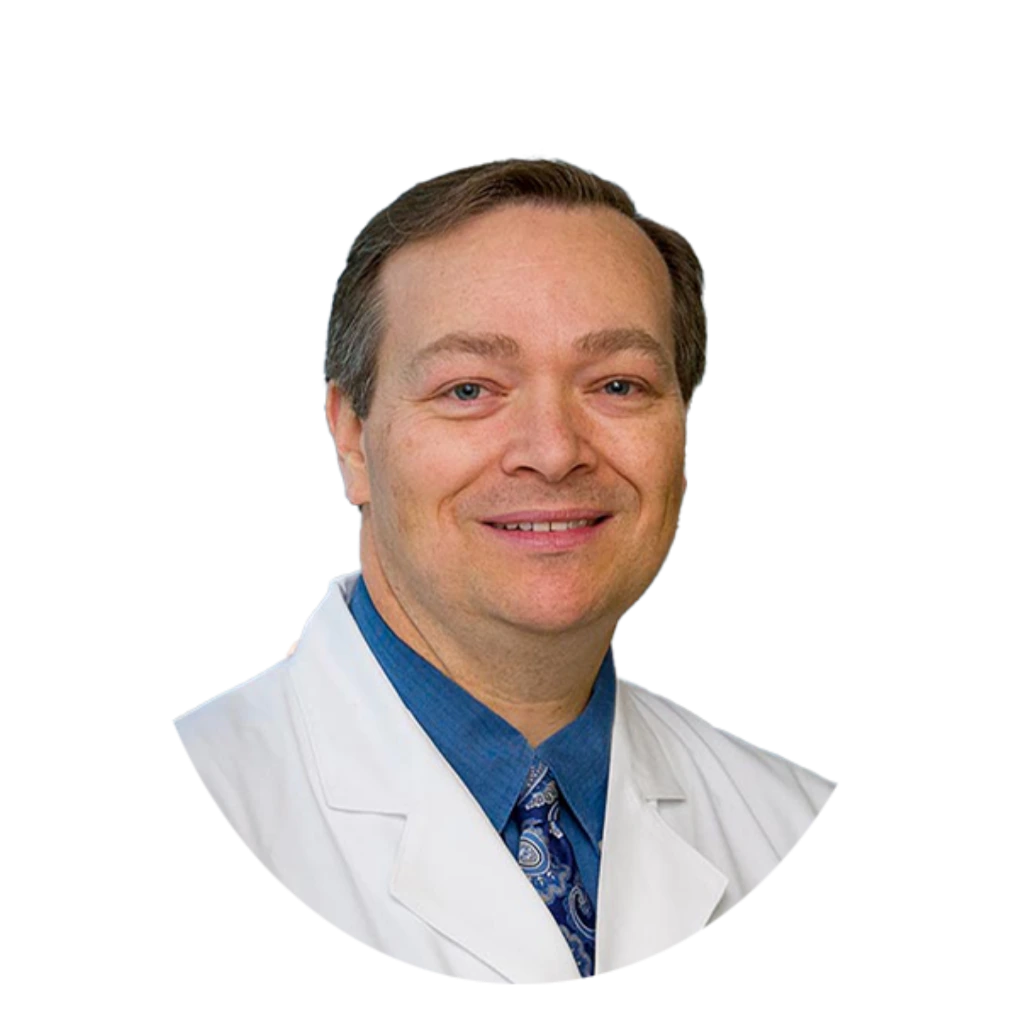
Larry Anderson, MD, PhD, FACP
University of Texas Southwestern Medical center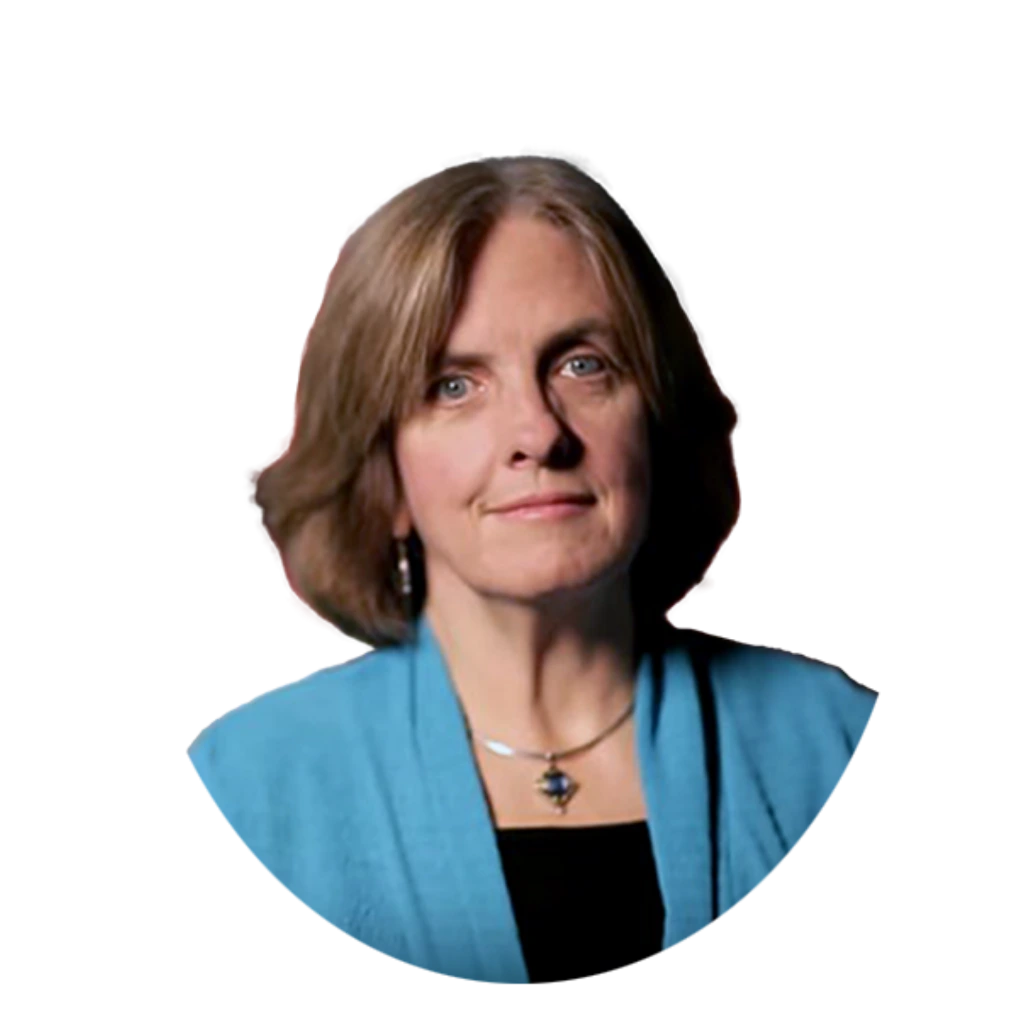
Cindy Dunbar, MD
National Institutes of Health
Spero Cataland, MD
Ohio State University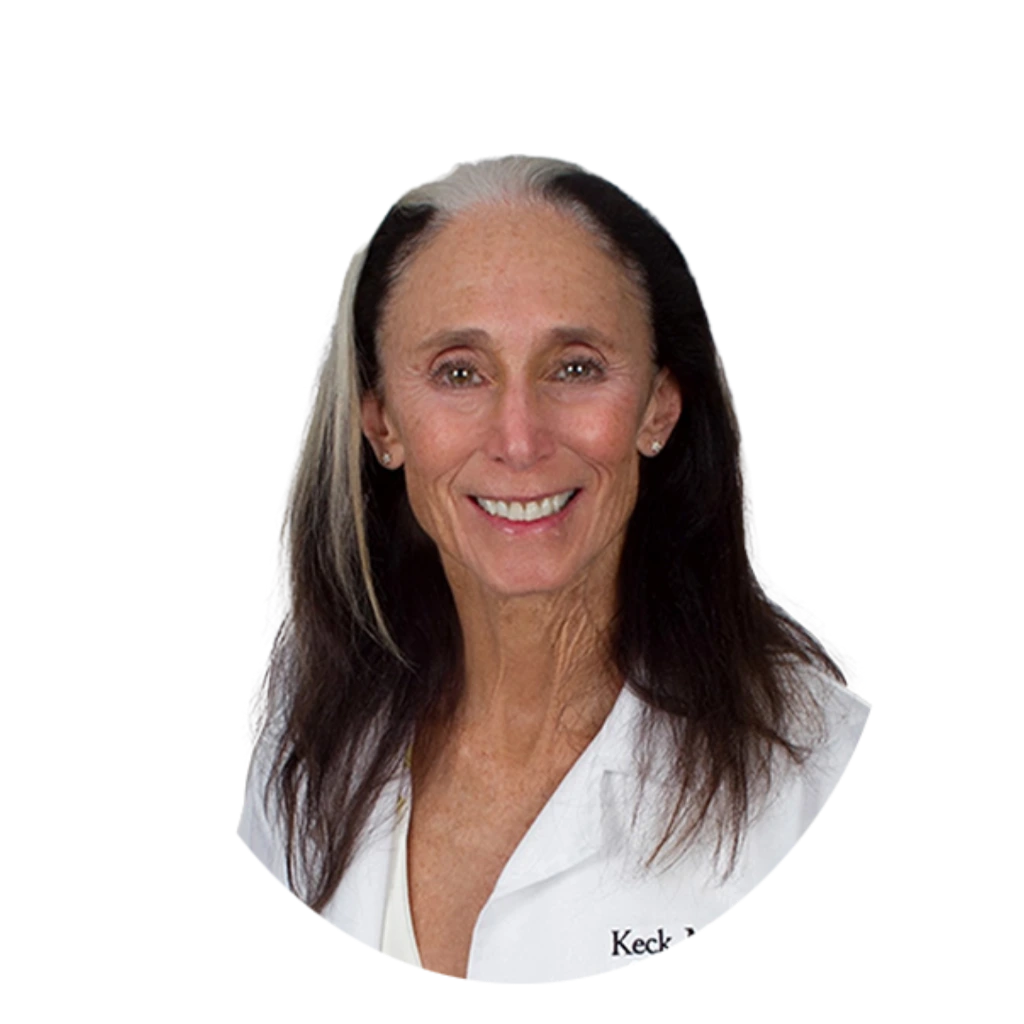
Ilene Weitz, MD
University of Southern California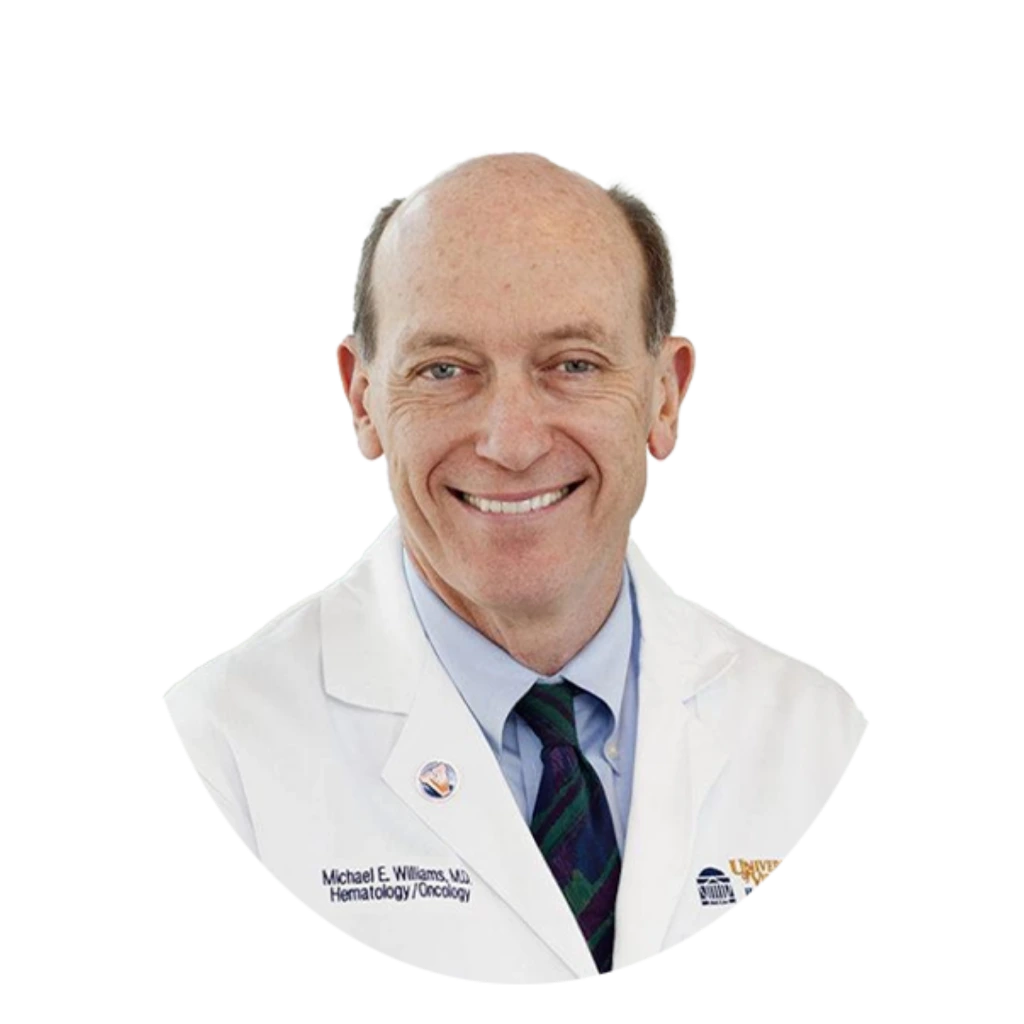
Michael E. Williams, MD
University of Virginia Health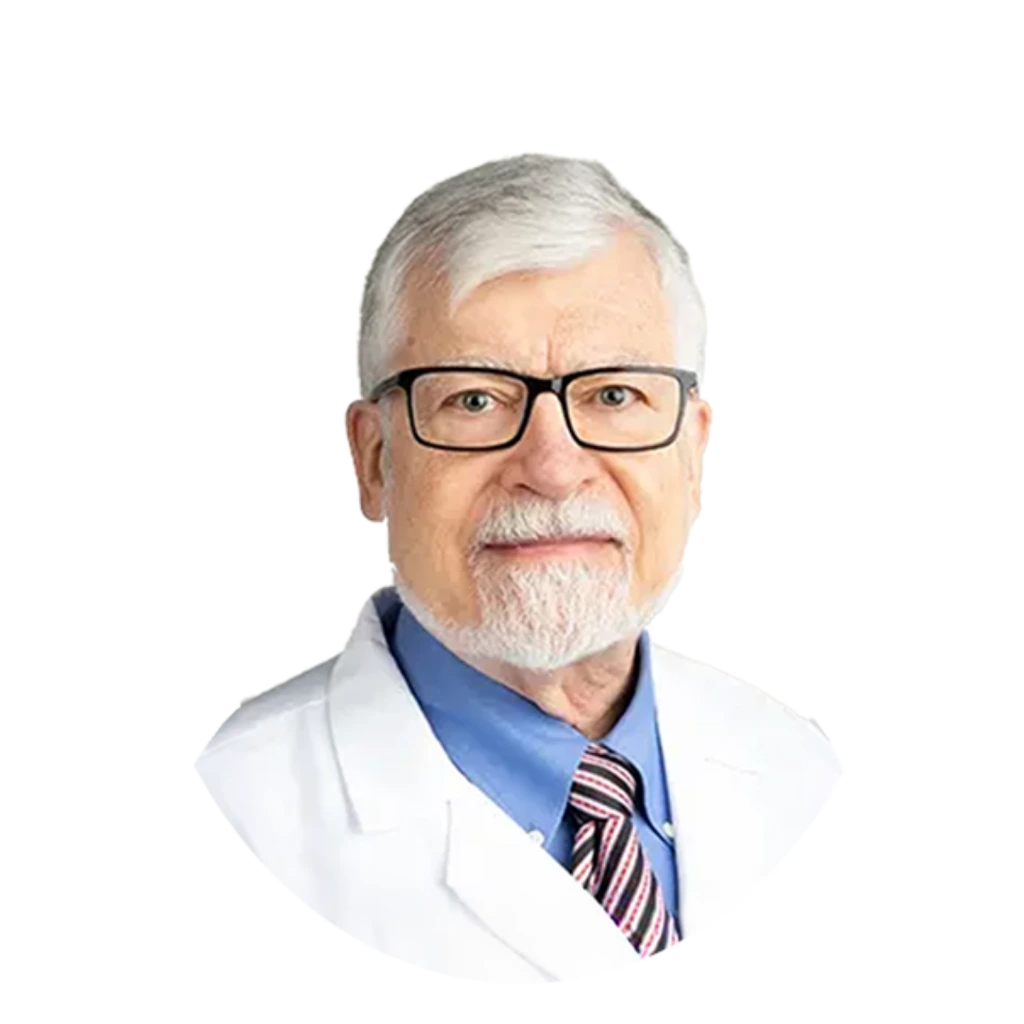
Richard A. Larson, MD
University of ChicagoSTRATEGIC PARTNERSHIPS & COLLABORATION