
Join live meetings with leading clinicians and researchers. Submit questions about cases and disease management.
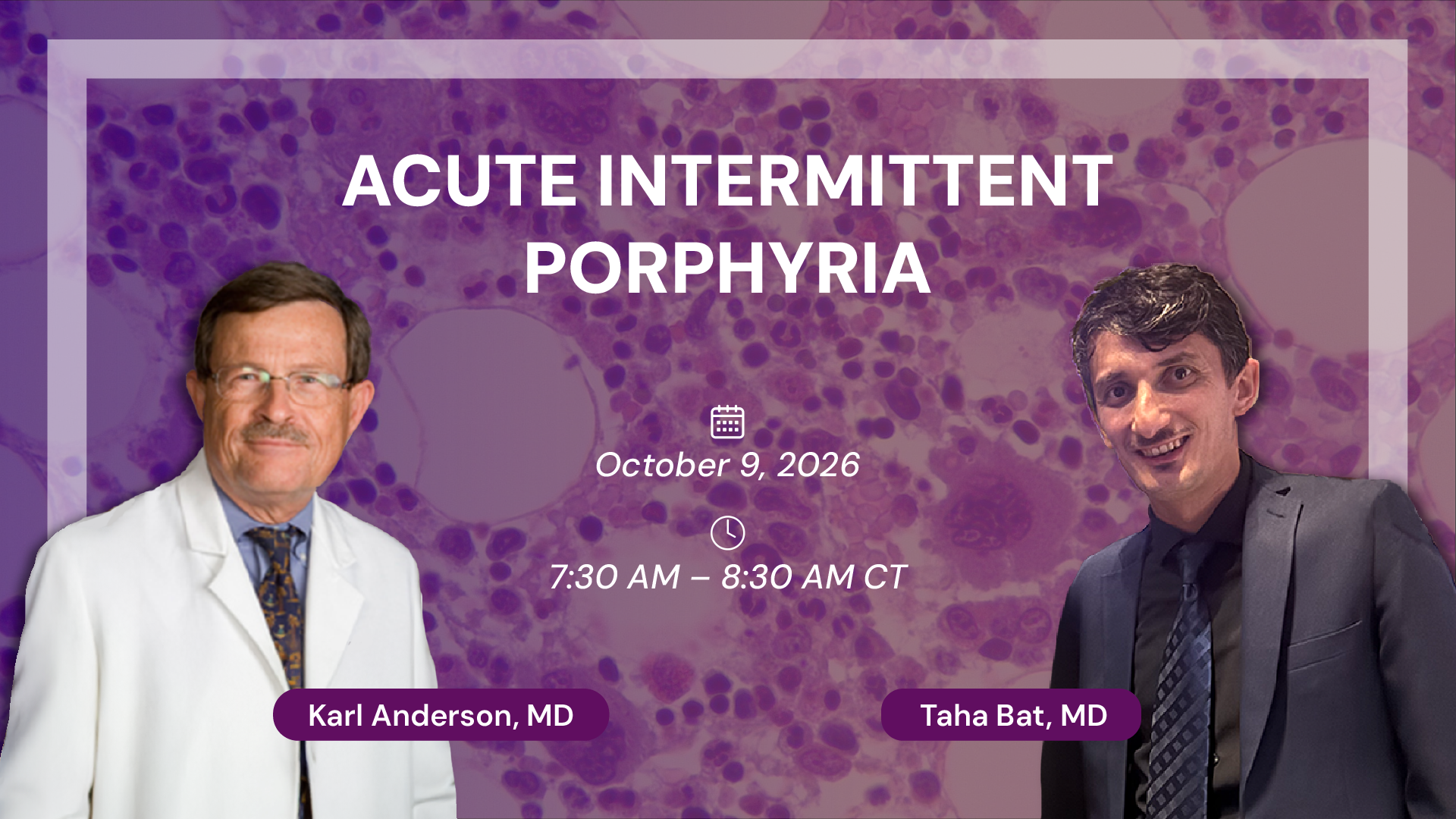
Karl E. Anderson, MD is a graduate of the Johns Hopkins University School of Medicine. He completed his residency training in internal medicine and postgraduate training in gastroenterology at Vanderbilt University Hospital and New York Hospital Cornell Medical Center. Prior to joining the University of Texas Medical Branch in 1987, Dr. Anderson held faculty appointments at the Rockefeller University, Cornell University Medical College, and New York Medical College. He is currently a Professor in the Departments of Preventive Medicine and Community Health and Internal Medicine within the Division of Gastroenterology and Hepatology. He is also a member of the Institute for Translational Sciences and the Academy of Research Mentors. Dr. Anderson serves as Director of the Clinical Science Program in the Graduate School of Biomedical Sciences and is an active clinical investigator on the Institute for Translational Sciences Clinical Research Center, where he also holds the role of Associate Director. His research program is supported by the NIH, FDA, foundations, and industry partners. Internationally recognized for his work in the human porphyrias, Dr. Anderson's research and clinical expertise focus on the diagnosis, pathophysiology, and treatment of porphyria disorders, including acute intermittent porphyria. Through his leadership in translational research and clinical investigation, he has played a pivotal role in advancing evidence based therapies and improving care for patients with rare metabolic and hematologic conditions.
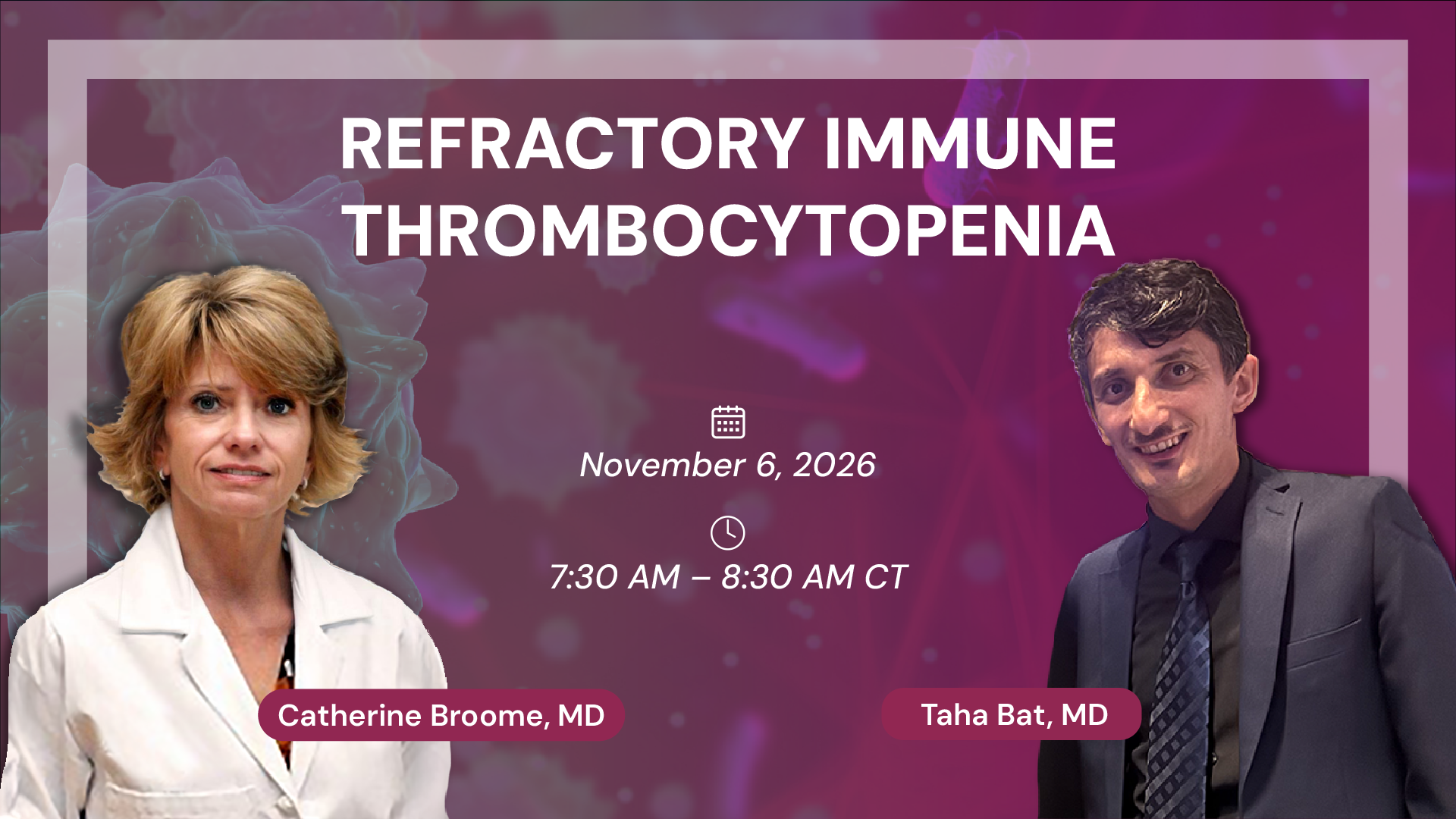
Catherine Broome, MD is a Professor of Medicine in the Division of Hematology/Oncology at MedStar Georgetown University Hospital in Washington, DC. She is board-certified in internal medicine, hematology, and medical oncology. Catherine Broome, MD has been on staff at the Georgetown Lombardi Comprehensive Cancer Center for over a decade, where she specializes in benign hematology. Her clinical expertise encompasses a range of hematologic disorders, including immune thrombocytopenia (ITP), autoimmune hemolytic anemia, cold agglutinin disease, hemophagocytic lymphohistiocytosis, paroxysmal nocturnal hemoglobinuria (PNH), and pure red cell aplasia. Catherine Broome, MD is actively involved in clinical research and offers patients the opportunity to participate in clinical trials for various hematologic conditions. In addition to her clinical work, Catherine Broome, MD serves as an associate professor in the Department of Medicine at Georgetown University, contributing to the education and training of future physicians. She also participates in the hospital's safety committee, focusing on developing programs and policies to ensure patient safety throughout MedStar Health. Catherine Broome, MD's approach to patient care emphasizes collaboration, providing patients with the most up-to-date information and treatment options, and developing personalized treatment plans that consider all aspects of the patient's life.
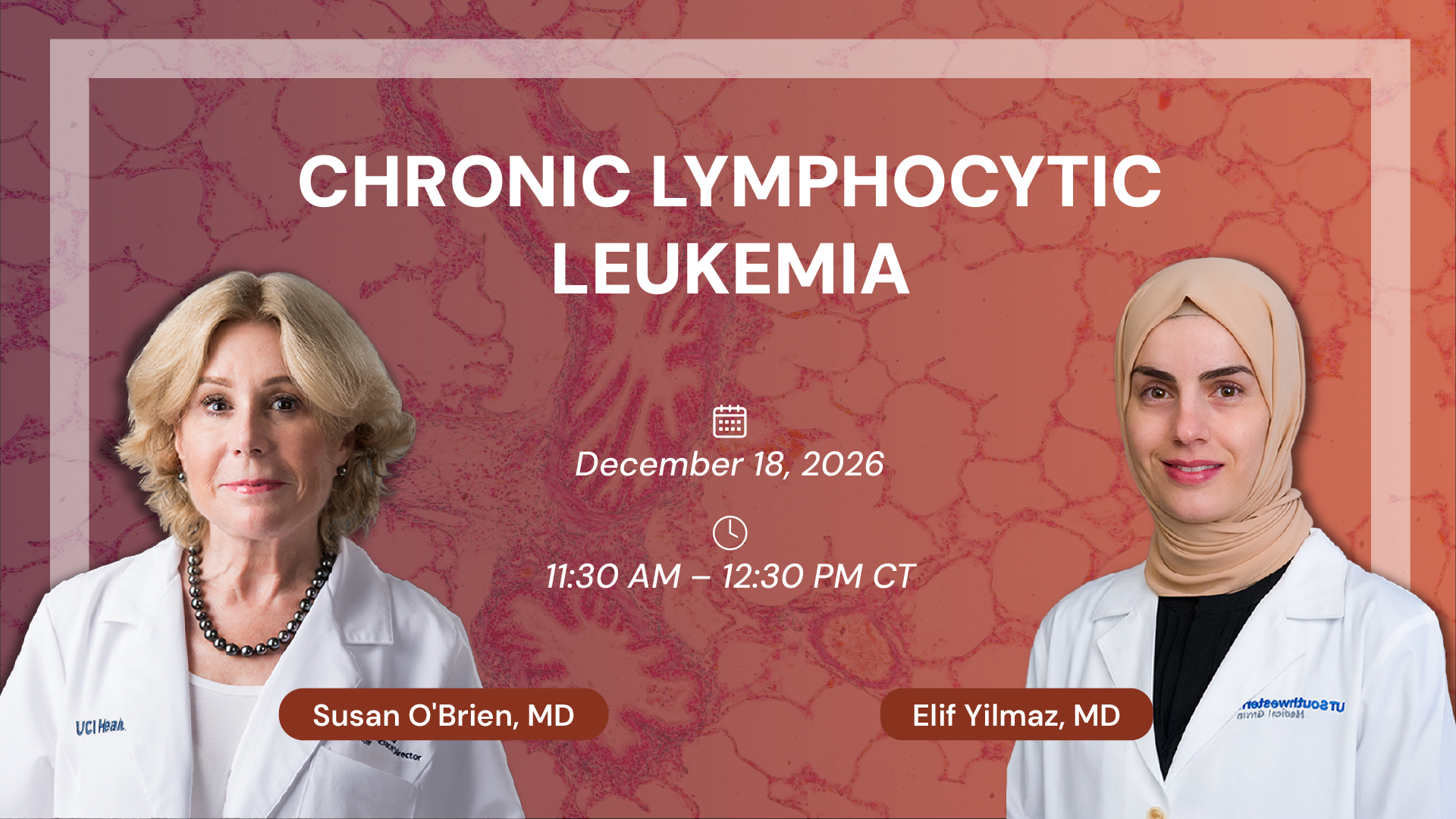
Susan O'Brien, MD is a Professor of Medicine in the Division of Hematology/Oncology at the University of California, Irvine, where she previously served as Associate Director for Clinical Science at the Chao Family Comprehensive Cancer Center. She earned her medical degree at the University of Medicine and Dentistry of New Jersey and completed her fellowship in Hematology/Oncology at MD Anderson Cancer Center, where she later held the Ashbel Smith Professorship of Medicine. Internationally recognized for her expertise in leukemia, Susan O'Brien, MD has been instrumental in developing novel therapies for both acute and chronic forms of the disease, with a particular focus on chronic lymphocytic leukemia (CLL). She was a leading investigator in the early clinical trials of ibrutinib (Imbruvica), a groundbreaking therapy for CLL, and has served as principal investigator on numerous clinical studies. Susan O'Brien, MD has authored more than 900 peer-reviewed publications, making her one of the most highly cited researchers in the field of leukemia. She also serves in leadership roles with cooperative oncology groups and contributes to patient advocacy through her work with organizations such as the CLL Society. Her achievements have been recognized with multiple honors, including the Giant of Cancer Care Award in Leukemia, the Binet–Rai Medal for innovation in CLL research, and the Excellence in Scientific Service Award from the Leukemia & Lymphoma Society.
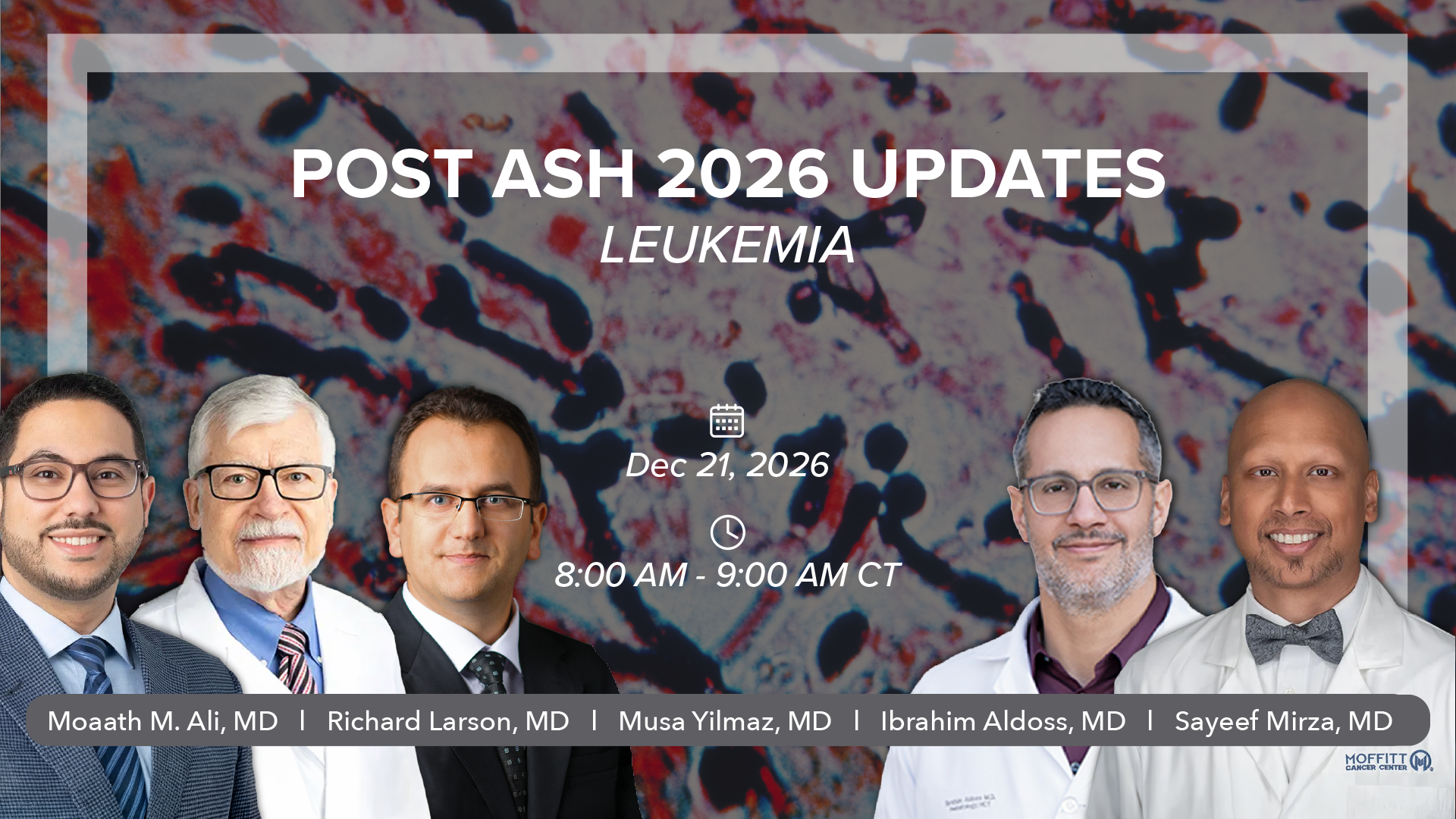
ASH 2026 is poised to bring important new developments across the leukemia treatment landscape, and this session is designed to distill the data that matters most for practice. We are privileged to bring together a distinguished panel of nationally recognized leukemia experts who will review the highest-impact presentations across chronic myeloid leukemia (CML), myelodysplastic syndromes (MDS), acute myeloid leukemia (AML), and acute lymphoblastic leukemia (ALL). Drawing on deep clinical and research expertise, our faculty will spotlight practice-changing trials, emerging targeted and immune-based therapies, and evolving standards of care, translating complex data into actionable guidance. Attendees will leave with a clear understanding of how the latest findings apply to real-world patient management. Designed for hematologists, oncologists, advanced practice providers, fellows, and other members of the hematology/oncology care team.
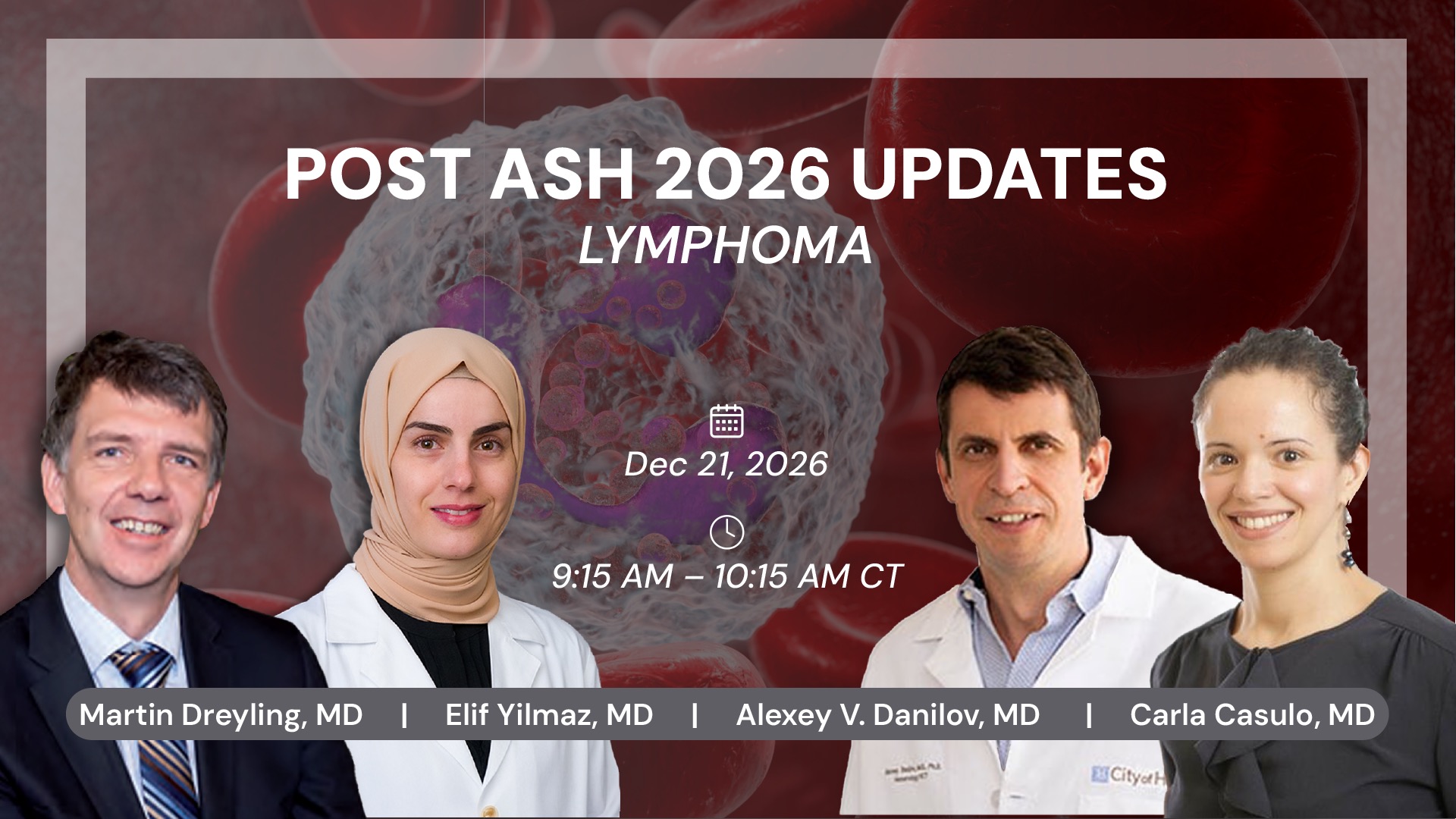
ASH 2026 is poised to bring important new developments across the lymphoma treatment landscape, and this session is designed to distill the data that matters most for clinical practice. We are privileged to bring together a distinguished panel of nationally recognized lymphoma experts who will review the highest-impact presentations across major lymphoma subtypes, including diffuse large B-cell lymphoma (DLBCL), follicular lymphoma (FL), mantle cell lymphoma (MCL), Hodgkin lymphoma (HL), and other emerging areas of lymphoma care. Drawing on deep clinical and research expertise, our faculty will highlight practice-changing trials, novel targeted and immune-based therapies, advances in cellular therapy, and evolving standards of care, translating complex data into practical guidance. Attendees will gain a clear understanding of how the latest findings may influence treatment selection, sequencing, and real-world patient management. Designed for hematologists, oncologists, advanced practice providers, fellows, and other members of the hematology/oncology care team, this session will provide a focused and clinically relevant update on the rapidly evolving lymphoma treatment landscape.
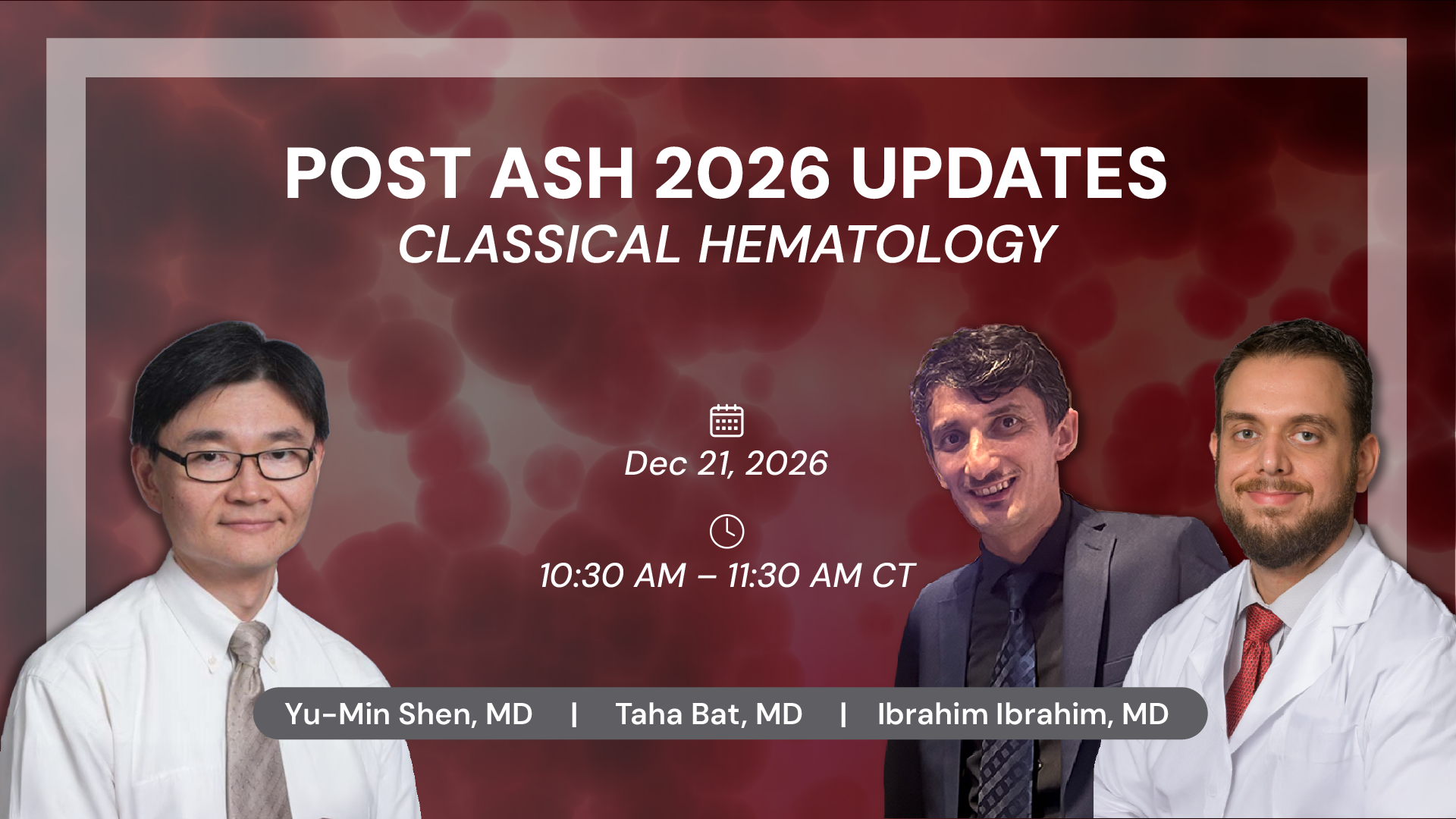
Non-malignant hematology is advancing rapidly, with new therapies and refined management strategies reshaping how common and complex disorders are treated. We are delighted to convene a talented panel of expert classical hematologists who will review the most clinically relevant data anticipated from ASH 2026, covering bone marrow failure, immune thrombocytopenia (ITP), thrombotic thrombocytopenic purpura (TTP), and bleeding disorders. Bringing extensive clinical experience to each topic, our faculty will highlight emerging treatment options, updated diagnostic and management approaches, and the practical implications of the latest evidence. Attendees will leave with actionable insights they can apply directly to the care of their patients. Designed for hematologists, oncologists, advanced practice providers, fellows, and other members of the hematology/oncology care team. Faculty: Taha Bat, MD | UT Southwestern | Bone Marrow Failure Ibrahim Ibrahim, MD | UT Southwestern | Immune Thrombocytopenia (ITP) & Thrombotic Thrombocytopenic Purpura (TTP) Yu-Min Shen, MD | UT Southwestern | Bleeding Disorders
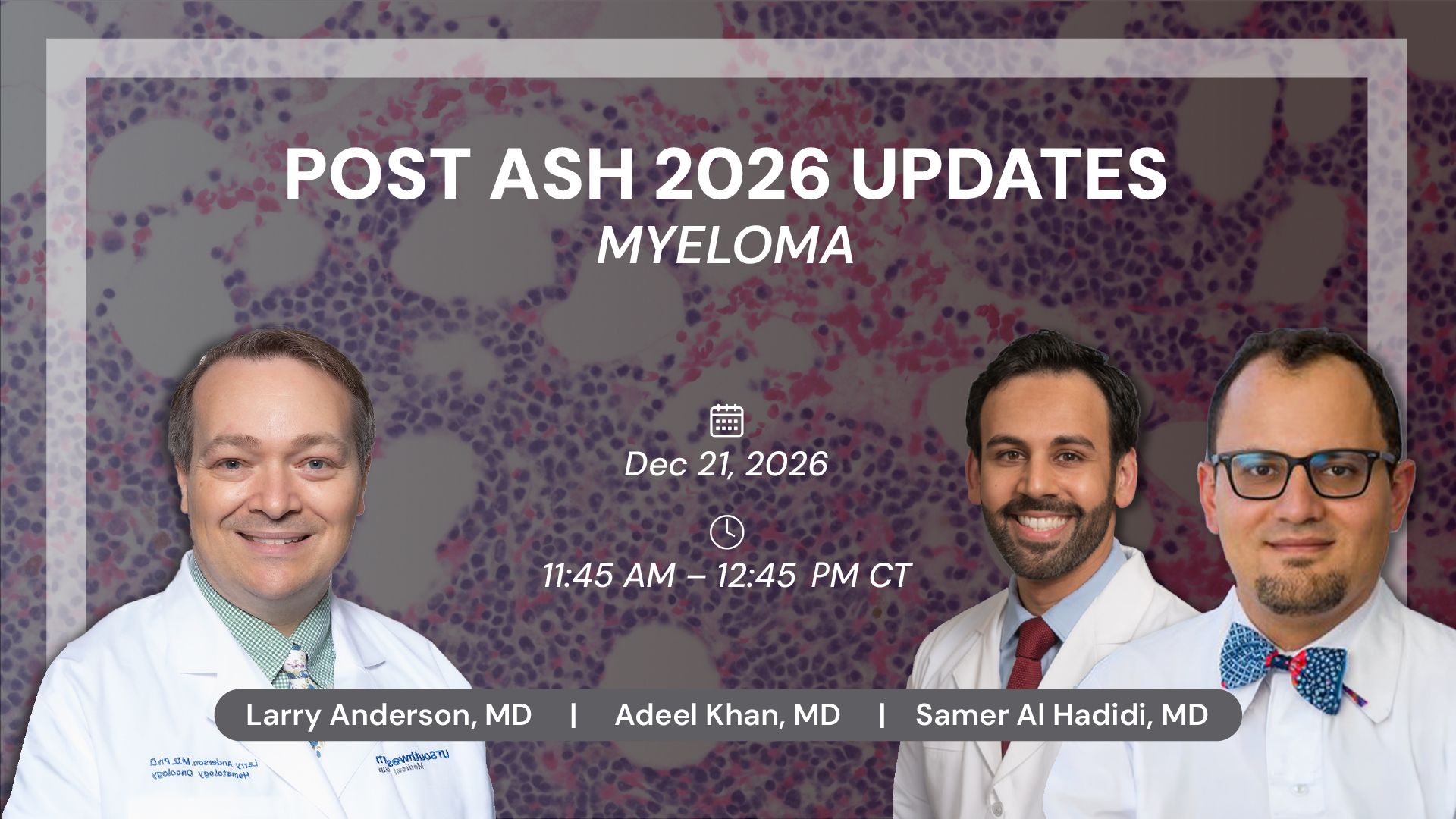
Myeloma care is evolving faster than ever, with an expanding array of novel agents, immune-based therapies, and combination strategies redefining outcomes. We are proud to bring together a renowned faculty of myeloma and amyloidosis experts who will review the most significant data anticipated from ASH 2026, including advances in frontline and relapsed/refractory treatment, patient selection, and minimal residual disease–guided approaches, alongside key updates in the diagnosis and management of amyloidosis. Through focused, practice-oriented discussion led by these leaders in the field, attendees will gain a clear picture of the findings most likely to shape myeloma care going forward. Designed for hematologists, oncologists, advanced practice providers, fellows, and other members of the hematology/oncology care team. Faculty: Larry Anderson, MD | UT Southwestern | Multiple Myeloma Adeel Khan, MD | UT Southwestern | Multiple Myeloma Samer Al Hadidi, MD | UT Southwestern | Amyloidosis
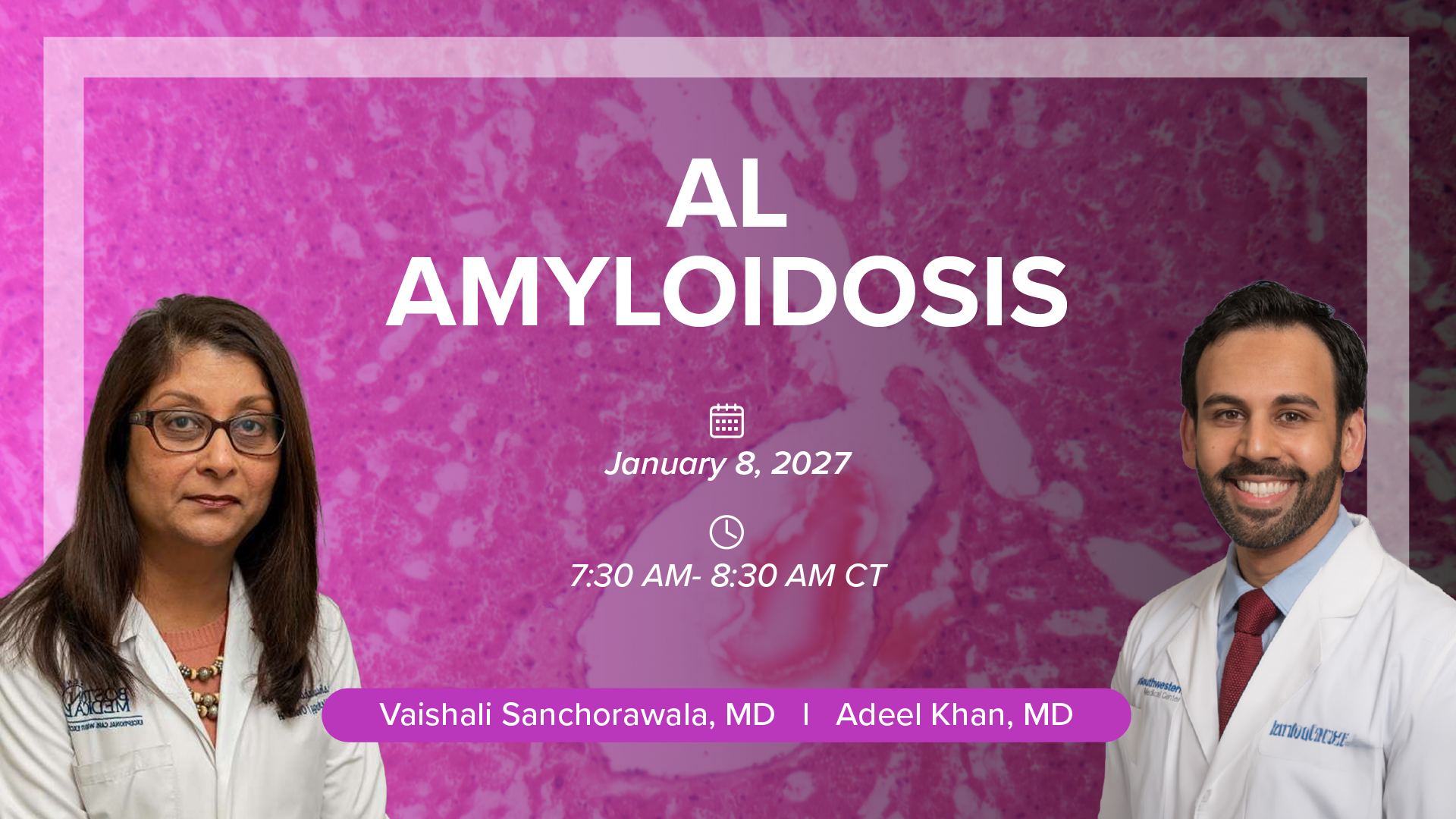
Vaishali Sanchorawala, MD, is a hematologist and Director of the Amyloidosis Center at Boston Medical Center, as well as the Skinner Professor of Amyloidosis Research at Boston University Chobanian & Avedisian School of Medicine. She is internationally recognized as a leading expert and key opinion leader in amyloidosis, particularly AL amyloidosis. She has been affiliated with the Amyloidosis Center since 1994 and is also the Director of the Autologous Stem Cell Transplantation Program at Boston Medical Center. Dr. Sanchorawala is a pioneer in clinical research focused on the treatment of systemic AL amyloidosis. Her extensive research has been published in numerous peer-reviewed journals and has contributed to the evolution of the standard of care for patients with AL amyloidosis. She currently leads several clinical trials and previously served as the principal investigator and study coordinator of a national stem cell transplantation clinical trial that enrolled 110 patients across 17 U.S. centers. In addition to her research, Dr. Sanchorawala has extensive experience managing clinical research projects, including staffing, research protections, budgets, timelines, and collaboration with other researchers. She emphasizes the importance of communication, realistic research planning, and effective project management. She is also a member of the Executive Steering Committee of the Amyloidosis Research Consortium, which develops multicenter clinical trials to improve the speed and effectiveness of research. Dr. Sanchorawala has also contributed to improving the development of new amyloidosis treatments by participating in meetings with the FDA regarding drug-development pathways. Beyond her research and clinical work, she is committed to mentoring and developing the next generation of physician-scientists in clinical research and AL amyloidosis.
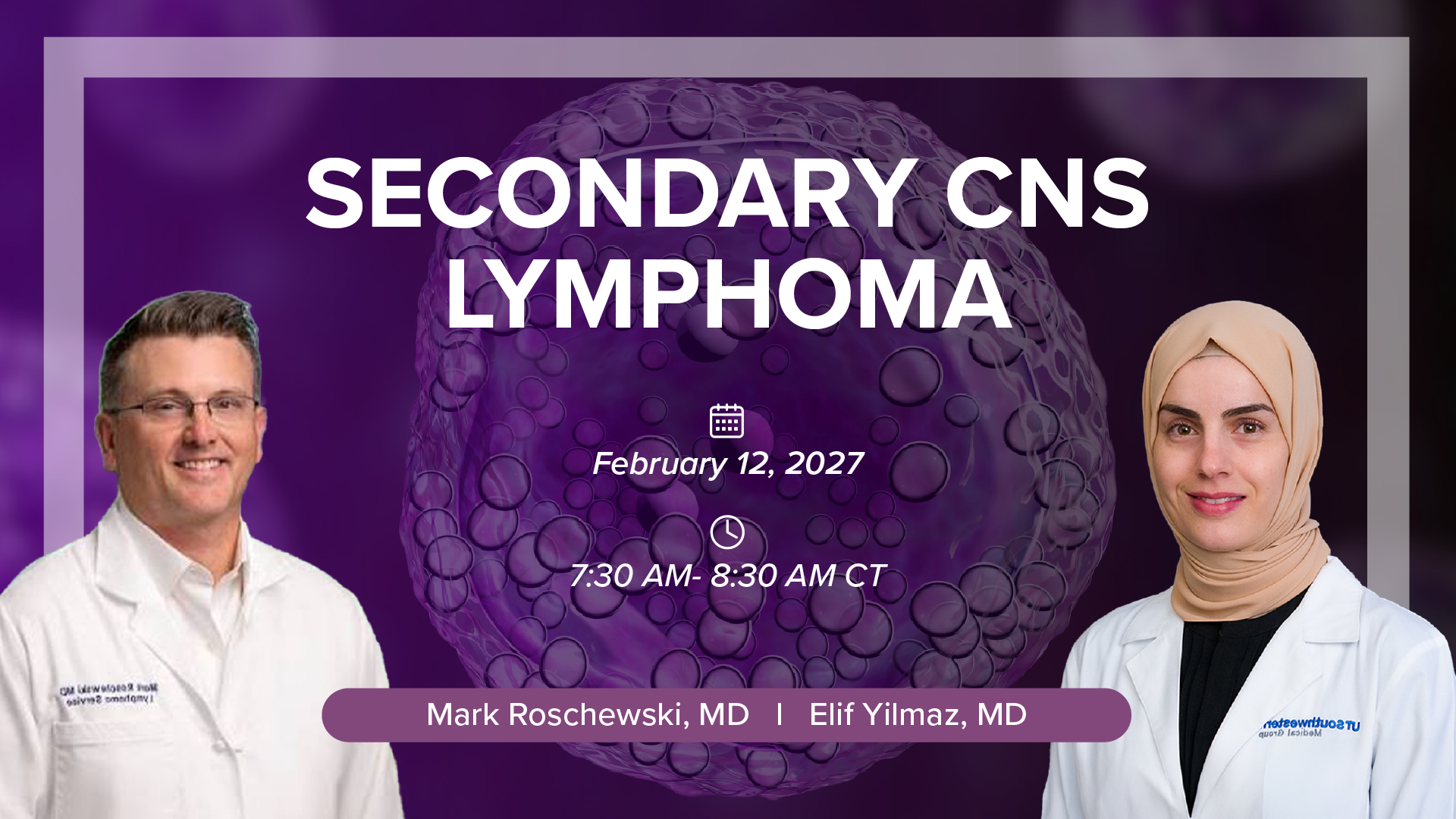
Mark Roschewski, MD, is a hematologist-oncologist at Memorial Sloan Kettering Cancer Center (MSK) who specializes in diagnosing and treating lymphoma, a cancer that affects white blood cells involved in the immune system. He is particularly experienced in treating aggressive B-cell lymphomas, including diffuse large B-cell lymphoma, Burkitt lymphoma, and lymphoma that has spread to the central nervous system. As an attending physician and lymphoma specialist, Dr. Roschewski focuses on providing personalized, patient-centered care. He believes in open and honest communication and works closely with patients to help them understand their diagnosis and treatment options. He emphasizes shared decision-making based on each patient’s personal goals while seeking treatments that provide the best outcomes and minimize long-term side effects. Dr. Roschewski received his Bachelor of Arts from the University of Notre Dame and his MD from the University of Nebraska Medical Center. He completed his Internal Medicine residency at Dwight D. Eisenhower Army Medical Center and a Hematology-Oncology fellowship at Walter Reed National Military Medical Center. He is board certified in Internal Medicine, Oncology, and Hematology. His areas of expertise include lymphoma, B-cell lymphoma, Burkitt lymphoma, and CNS lymphoma. His achievements include the 2024 Tech Transfer Award, the 2021 Top 5 Abstract Award from the Lymphoma Research Foundation Workshop on Mantle Cell Lymphoma, and recognition as Researcher of the Year by the U.S. Public Health Service in 2017
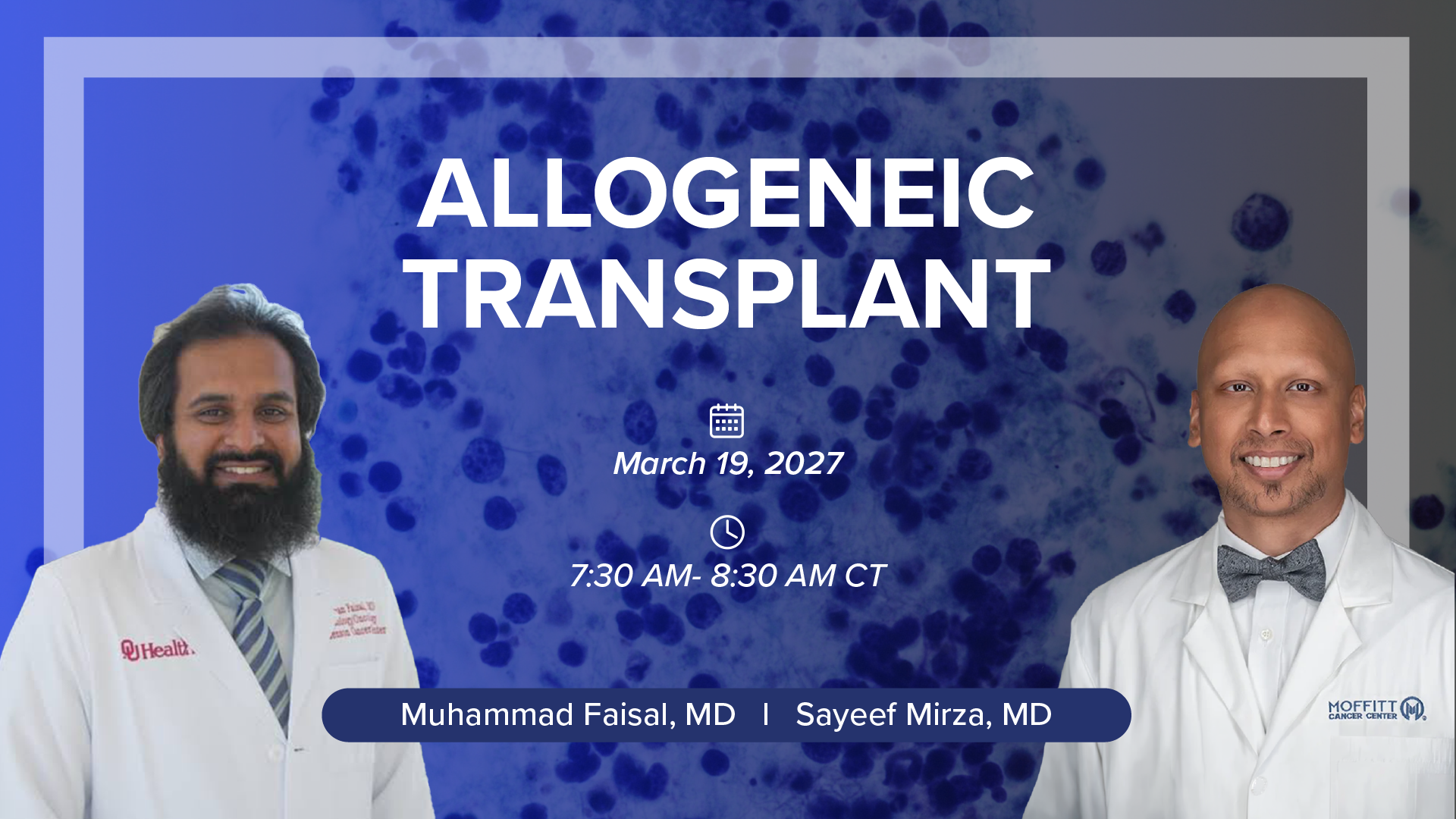
Muhammad Salman Faisal, MD, is a hematologist, oncologist at the OU Health Stephenson Cancer Center in Oklahoma City. He is board certified in medical oncology by the American Board of Internal Medicine. Dr. Faisal attended medical school at King Edward Medical University, Lahore, Pakistan, and completed his residency in internal medicine at Allegheny Health Network in Pittsburgh, PA. He later completed a hematology, oncology fellowship at Roswell Park Comprehensive Cancer Center in Buffalo, NY. Dr. Faisal currently serves as an ambassador for the American Society of Clinical Oncology
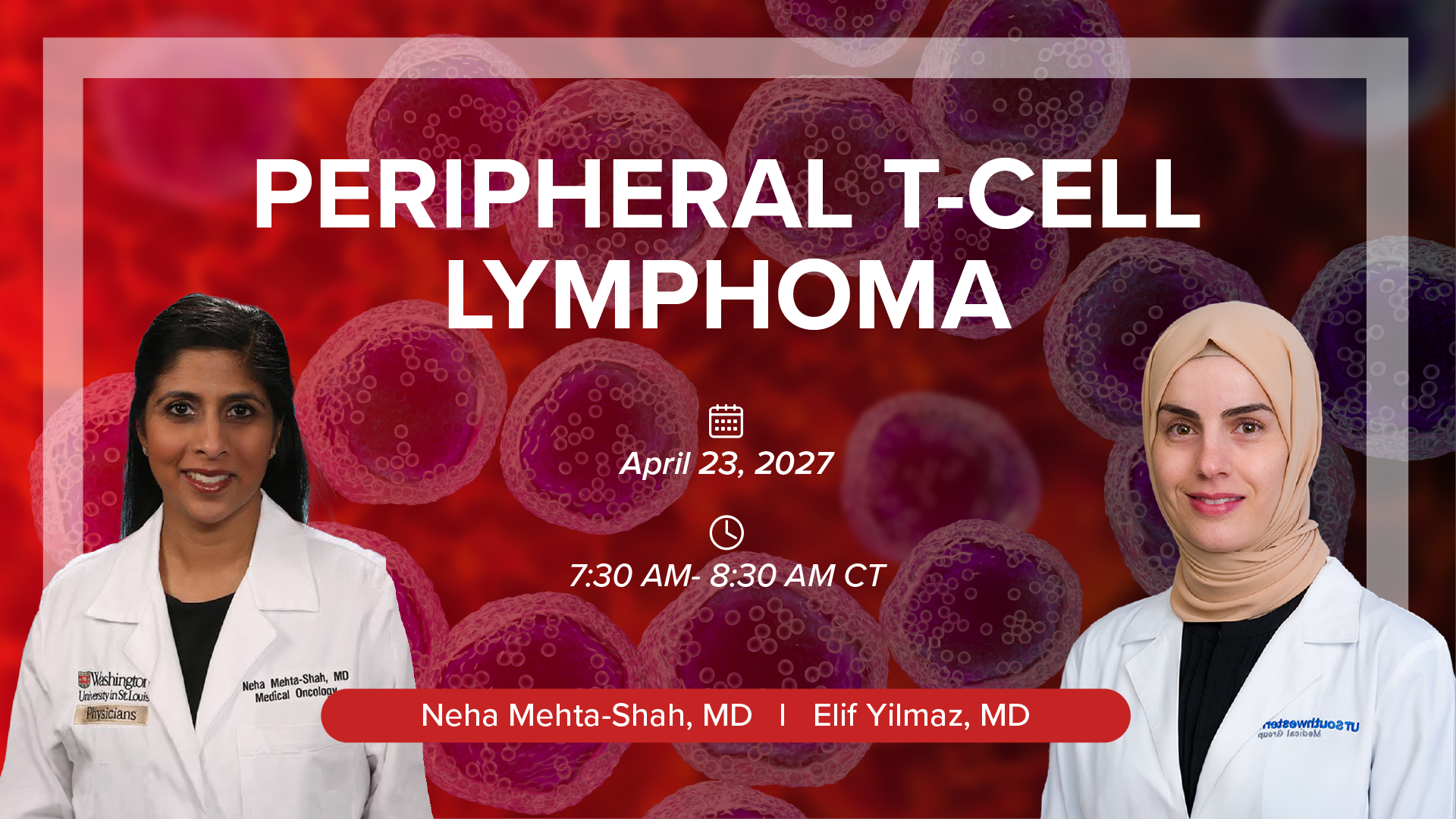
Neha Mehta-Shah, MD, MSCI, is an Assistant Professor of Medicine at Washington University in St. Louis who specializes in peripheral and cutaneous T-cell lymphomas. She has developed a nationally recognized T-cell lymphoma program and focuses on advancing the understanding and treatment of these cancers. Dr. Mehta-Shah completed her undergraduate and medical education at Northwestern University, followed by residency at New York Presbyterian-Weill Cornell Medical Center. She later served as chief resident at Memorial Sloan Kettering Cancer Center, where she completed her fellowship and chief fellowship in medical hematology/oncology in 2016. She also earned a Master of Science in Clinical Investigation. Her passion for T-cell lymphoma research began during medical school and has continued throughout her career. She has received multiple awards recognizing her contributions to research from organizations including the American Society of Hematology, the Lymphoma Research Foundation, the T-Cell Leukemia Lymphoma Society, and the Alliance, as well as a Paul Calabresi K12 Award. Dr. Mehta-Shah leads multiple national clinical trials in T-cell lymphoma, including A0501902, the first U.S. Intergroup Study for untreated peripheral T-cell lymphomas. Her clinical research and leadership have contributed to advancing treatment options and improving care for patients with T-cell lymphoma.
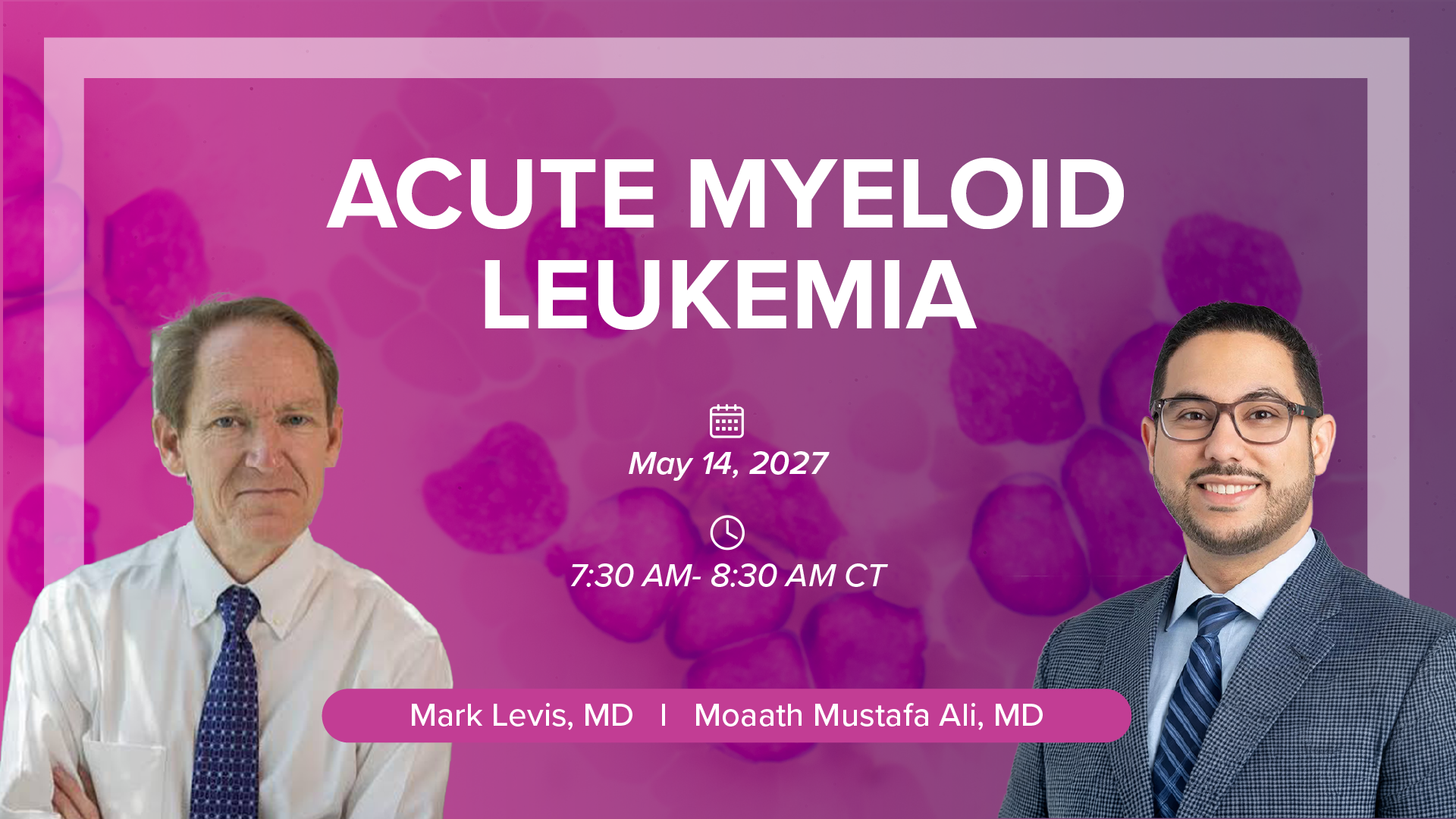
Mark J. Levis, MD, PhD, is a professor of oncology, medicine, and pharmacology at Johns Hopkins University School of Medicine. He co-directs the Hematologic Malignancies and Bone Marrow Transplantation Program and directs the Adult Leukemia Service at the Johns Hopkins Sidney Kimmel Cancer Center. His areas of expertise include acute and chronic myeloid leukemia, acute lymphoblastic leukemia, and myelodysplastic syndromes. Dr. Levis earned his medical degree and Ph.D. in Biochemistry from the University of California, San Francisco School of Medicine. He completed his residency in internal medicine at Johns Hopkins and later completed fellowships in medical oncology. He is a member of several professional organizations, including the American Society of Hematology, the American Society of Clinical Oncology, and the European Hematology Association. Dr. Levis has received numerous awards for his research, teaching, and clinical work, including the Daniel Nathans Research Award, the Osler Housestaff Teaching Award, the Director's Teaching Award in Clinical Science, and the Advanced Clinical Research Award from the American Society of Clinical Oncology. He is also actively involved in mentoring, teaching, and reviewing research for major medical journals. His laboratory research focuses on developing molecularly targeted treatments for leukemia, particularly small-molecule inhibitors that target proteins such as FLT3. His research combines laboratory studies with clinical trials to determine how these treatments can be used effectively in patients. Dr. Levis is especially interested in translating discoveries from the laboratory into improved treatments at the bedside and has published extensively in leading medical journals.
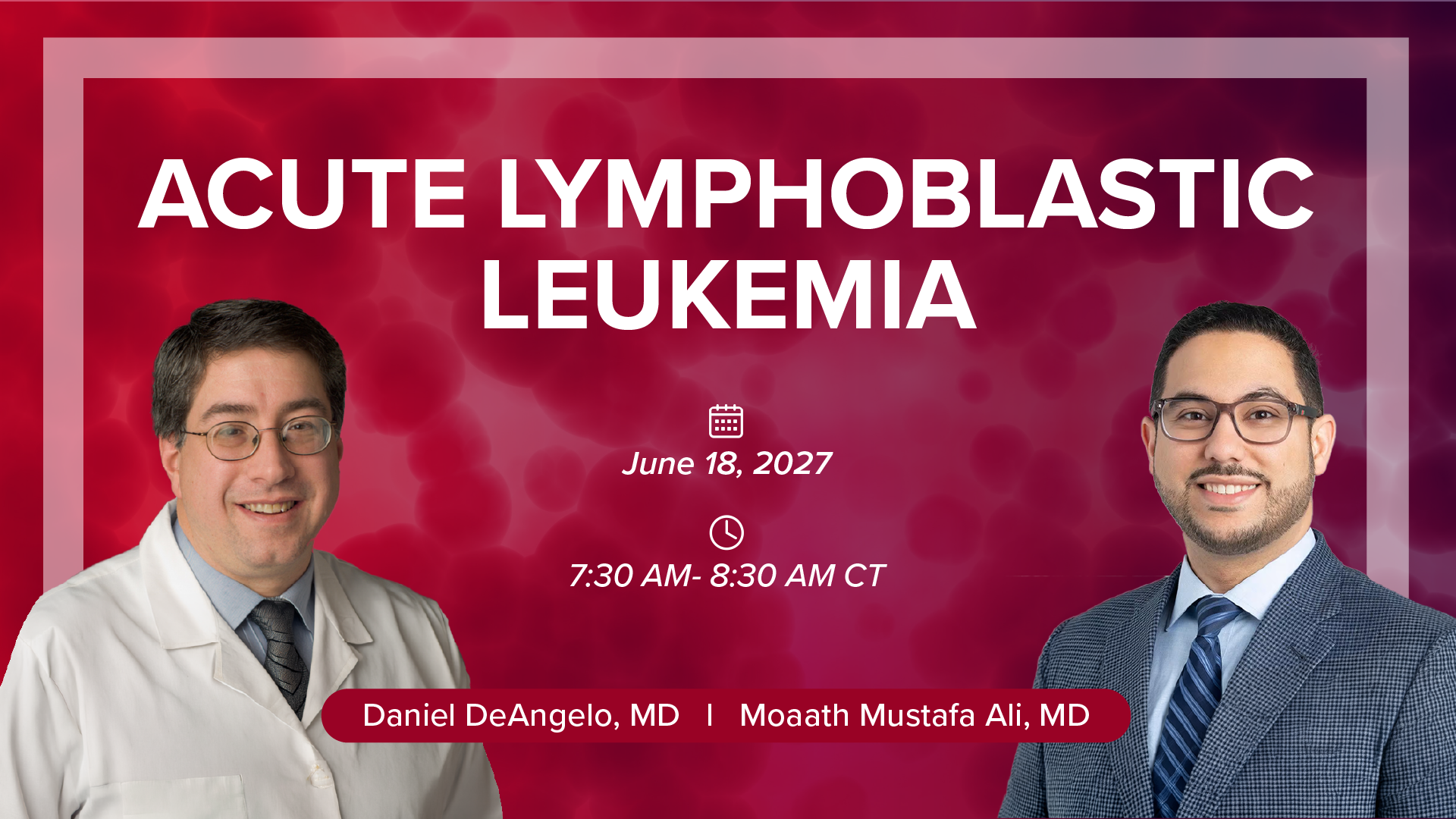
Daniel J. DeAngelo, MD, PhD, is a Professor of Medicine at Harvard Medical School and the Chief of the Division of Leukemia at Dana-Farber Cancer Institute in Boston, Massachusetts. Dr. DeAngelo earned his MD and PhD in molecular genetics from Albert Einstein College of Medicine of Yeshiva University in Bronx, New York. He completed his internship and residency at Massachusetts General Hospital in Boston and clinical fellowships in Medical Oncology and Hematology at the Dana-Farber Cancer Institute and Brigham and Women’s Hospital, both in Boston. Dr. DeAngelo’s clinical research focuses on optimizing therapy for adult leukemias, myelodysplastic syndromes and myeloproliferative disorders including systemic mast cell disorders. He is Co-chair emeritus of the National Cancer Institute (NCI) leukemia steering committee. He serves on the leukemia core committee for the Alliance Cooperative Group and is principal and co-investigator of several ongoing clinical protocols. He has an interest in the treatment of young adults with leukemia, particularly acute lymphoblastic leukemia and patients with systemic mastocytosis. Dr. DeAngelo has authored or coauthored more than 200 original peer-reviewed manuscripts, review articles, and book chapters and has presented his work nationally and internationally.
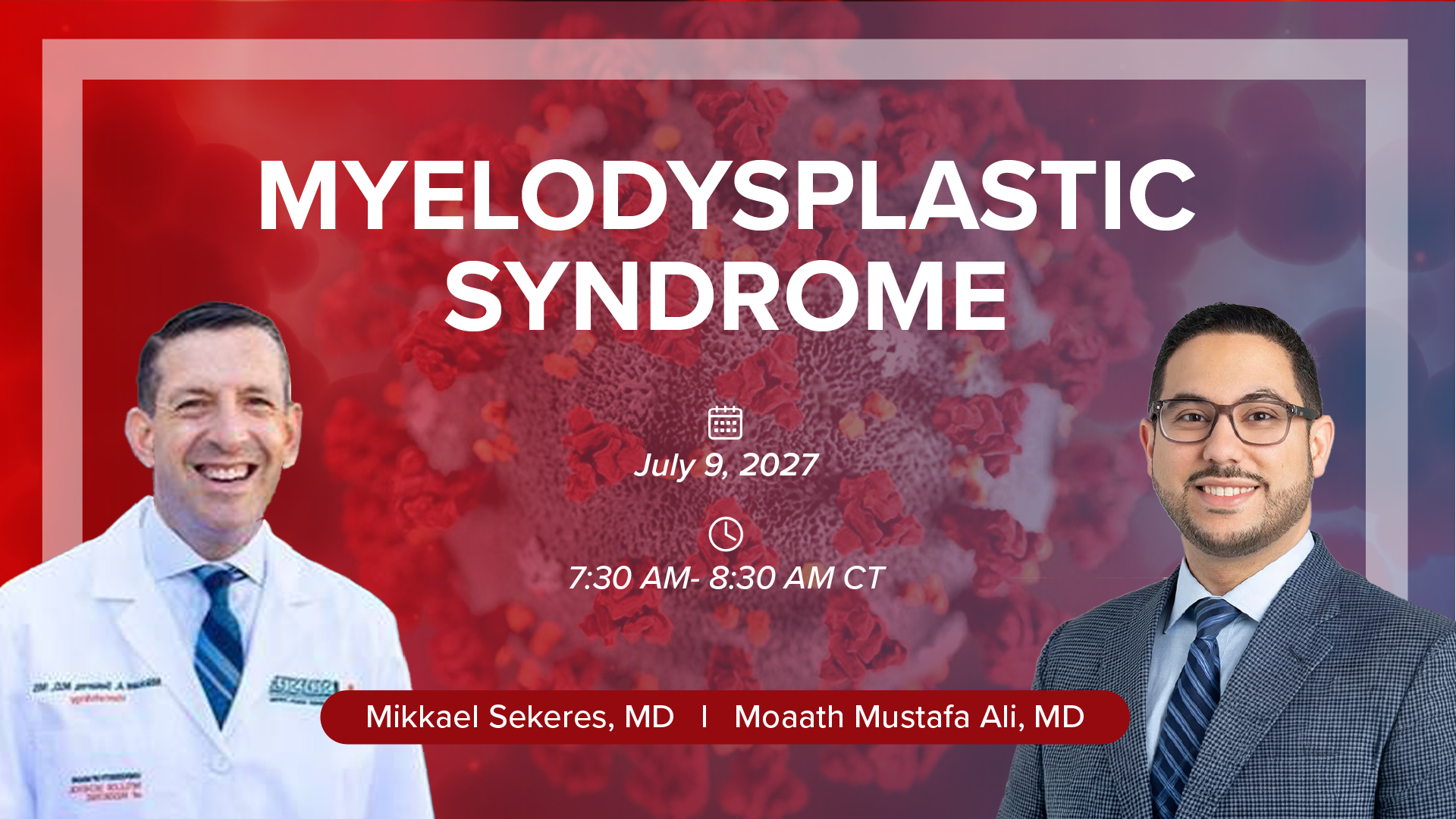
Mikkael Sekeres, MD, MS is a professor of medicine with tenure and chief of the division of hematology at the Sylvester Comprehensive Cancer Center, University of Miami Miller School of Medicine. He earned a medical degree and a master’s degree in clinical epidemiology from the University of Pennsylvania School of Medicine. Dr Sekeres completed his postgraduate training at Harvard University, finishing an internal medicine residency at Massachusetts General Hospital and a fellowship in hematology-oncology at the Dana-Farber Cancer Institute in Boston. He is chair of the medical advisory board of the Aplastic Anemia and Myelodysplastic Syndromes (MDS) International Foundation, chairs the American Society of Hematology (ASH) Treatment Guidelines for Older Adults with Acute Myeloid Leukemia (AML) and served on a number of ASH committees including the Executive Committee, and formerly chaired the Oncologic Drugs Advisory Committee of the F.D.A. Dr. Sekeres’ research focuses on patients with MDS and older adults with AML, and he has been the national and international primary study investigator on dozens of phase I/II/III trials. He is the author or co-author of over 450 peer-reviewed manuscripts and 650 abstracts, with an H-index of 100. He was the inaugural editor-in-chief of the ASH Clinical News magazine; he is on the editorial board of several journals and is Associate Editor for the Journal of Clinical Oncology and a Section Editor for UpToDate; has written over 100 essays for The New York Times, The Wall Street Journal, The Washington Post, Huffington Post, Slate, and The Hill, among others; and has authored 8 books, including When Blood Breaks Down: Life Lessons from Leukemia (The MIT Press 2020); Drugs and the FDA: Safety, Efficacy, and the Public’s Trust (The MIT Press 2022); and a book tentatively titled Chasing Truth in Cancer (University of Toronto Press, 2026).
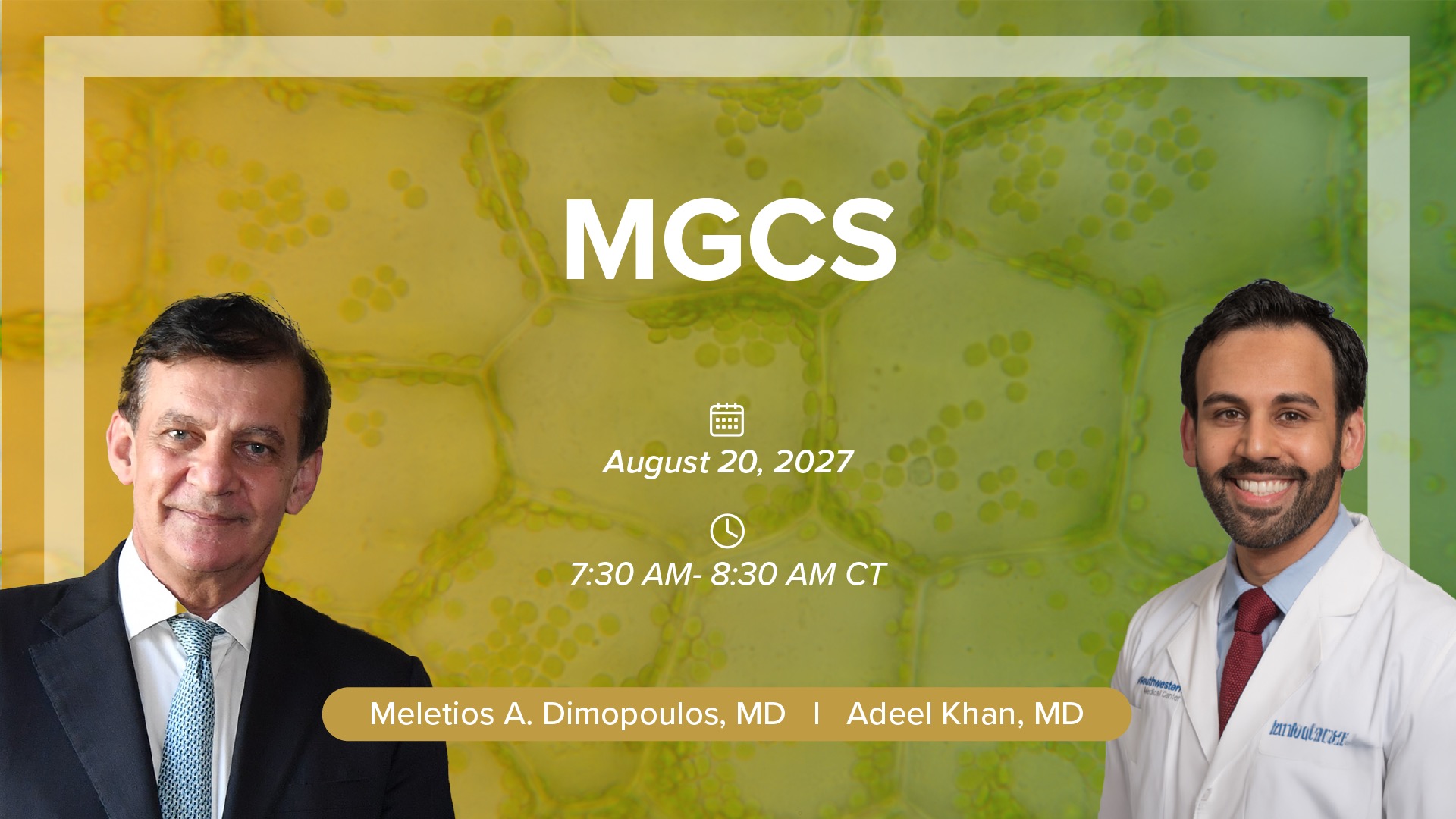
Meletios A. Dimopoulos, MD is Professor and Chairman of the Department of Clinical Therapeutics at the National and Kapodistrian University of Athens School of Medicine, Athens, Greece. He was elected Vice Dean of the Medical School for the academic years 2007-2011 and Dean for the academic years 2011-2015. In February 2015 he was elected Rector of the National and Kapodistrian University of Athens for a 4 year term. He obtained his medical degree from the National and Kapodistrian University of Athens in 1985, completed a residency in internal medicine at the Royal Victoria Hospital, McGill University, Montreal, Canada and a fellowship in hematology/oncology at the University of Texas M.D. Anderson Cancer Center, Houston, Texas, USA. Dr. Dimopoulos is a member of numerous scientific societies and has authored more than 750 publications (November 2015) in peer-reviewed journals, as well as numerous abstracts and several textbook chapters primarily focusing on plasma cell dyscrasias and genitourinary and gynecologic cancers. He has more than 26000 citations and his h-index is 78 (ISI-Web of Science). He is a journal reviewer for several journals including New England Journal of Medicine, Blood, Journal of Clinical Oncology, Haematologica, Leukemia, Cancer, European Journal of Haematology, Leukemia and Lymphoma etc. Dr. Dimopoulos was Associate Editor of the European Journal of Internal Medicine (2001-2007), is an Associate Editor of Current Hematologic Malignancy Reports and is an Editorial Board Member of the Journal of Clinical Oncology (2005-2008), of Haematologica, of Leukemia and Lymphoma, of Clinical Lymphoma and Myeloma and of Expert Review of Hematology. Dr. Dimopoulos serves on the Scientific Advisory Boards of the International Myeloma Foundation, of the International Waldenstrom’s Macroglobulinemia Foundation and he is a member of the Board of the European Myeloma Network. Dr. Dimopoulos organized the XIth International Myeloma Workshop and the IVth International Workshop on Waldenstrom’s Macroglobulinemia (Kos Island, Greece June 2007). In March 2013 Dr. Dimopoulos was elected as a member of the Board of the International Myeloma Society. He is a recipient of the Robert A. Kyle Award for outstanding contributions to Waldenstrom’s Macroglobulinemia.
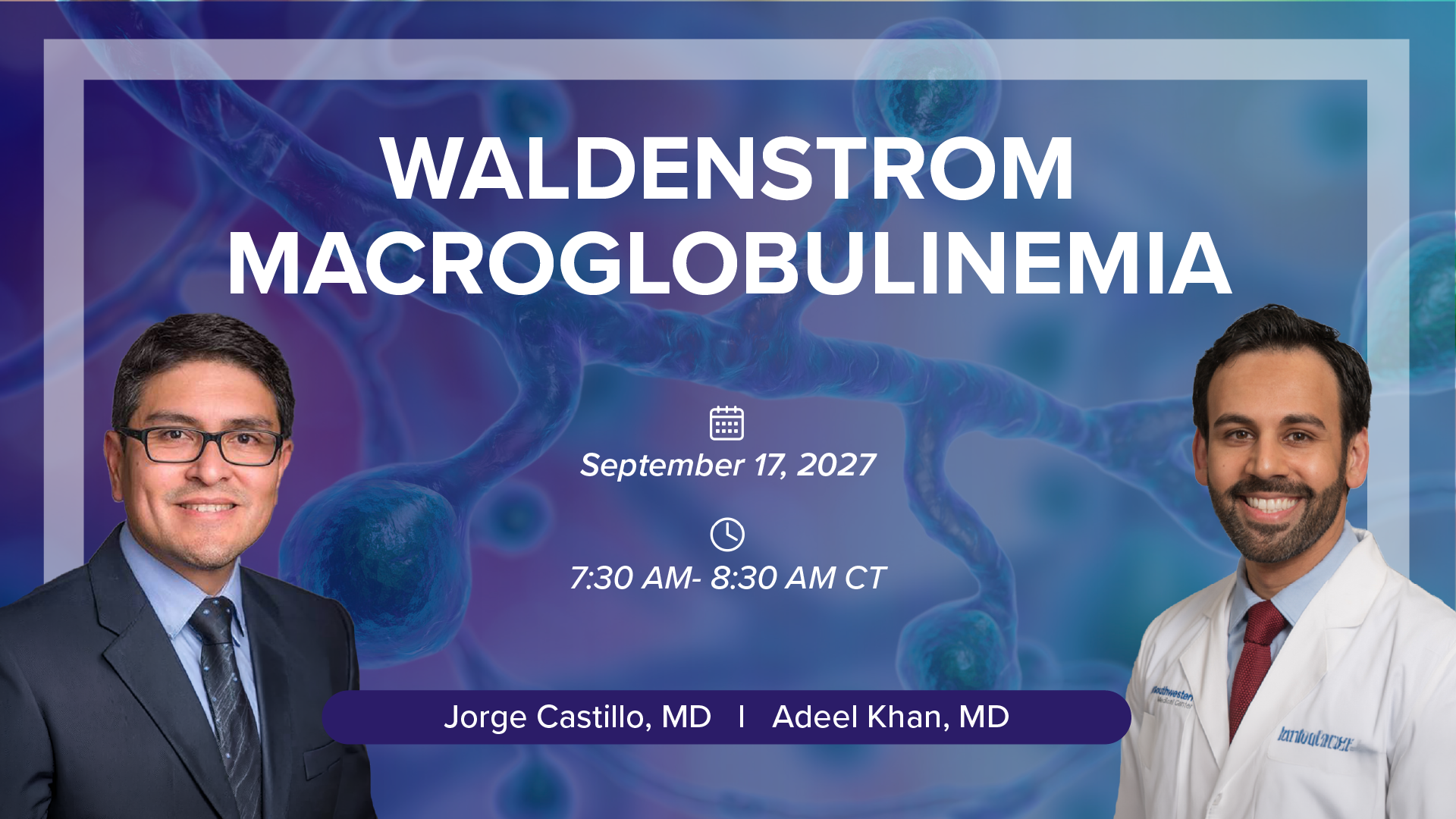
Jorge Castillo, MD, is an Associate Professor at Harvard Medical School, an Institute Physician at the Dana-Farber Cancer Institute, and the Clinical Director of the Bing Center for Waldenström Macroglobulinemia. He specializes in Waldenström macroglobulinemia (WM), a rare type of blood cancer, and focuses on improving treatment options for patients with this disease. Dr. Castillo was born in Peru and earned his medical degree in Mexico City. He completed his training in Internal Medicine at the University of Massachusetts and Hematology and Oncology at Brown University. He is also involved with major organizations focused on Waldenström macroglobulinemia, including the International Waldenström Macroglobulinemia Foundation and the International Workshop for Waldenström Macroglobulinemia. As the principal investigator of several clinical trials, Dr. Castillo researches highly effective non-chemotherapy treatments for patients with Waldenström macroglobulinemia. He has authored more than 350 peer-reviewed articles and has published research in leading medical journals, including the New England Journal of Medicine, Lancet Oncology, Journal of Clinical Oncology, and Blood. Dr. Castillo has received several awards for his contributions to research, including the Innovation Award from the Dana-Farber Cancer Institute and the Robert A. Kyle Award from the International Workshop for Waldenström Macroglobulinemia. He also founded and directs WM-NET, a consortium of academic researchers in the United States dedicated to designing and conducting clinical research to improve treatment and care for patients with Waldenström macroglobulinemia.
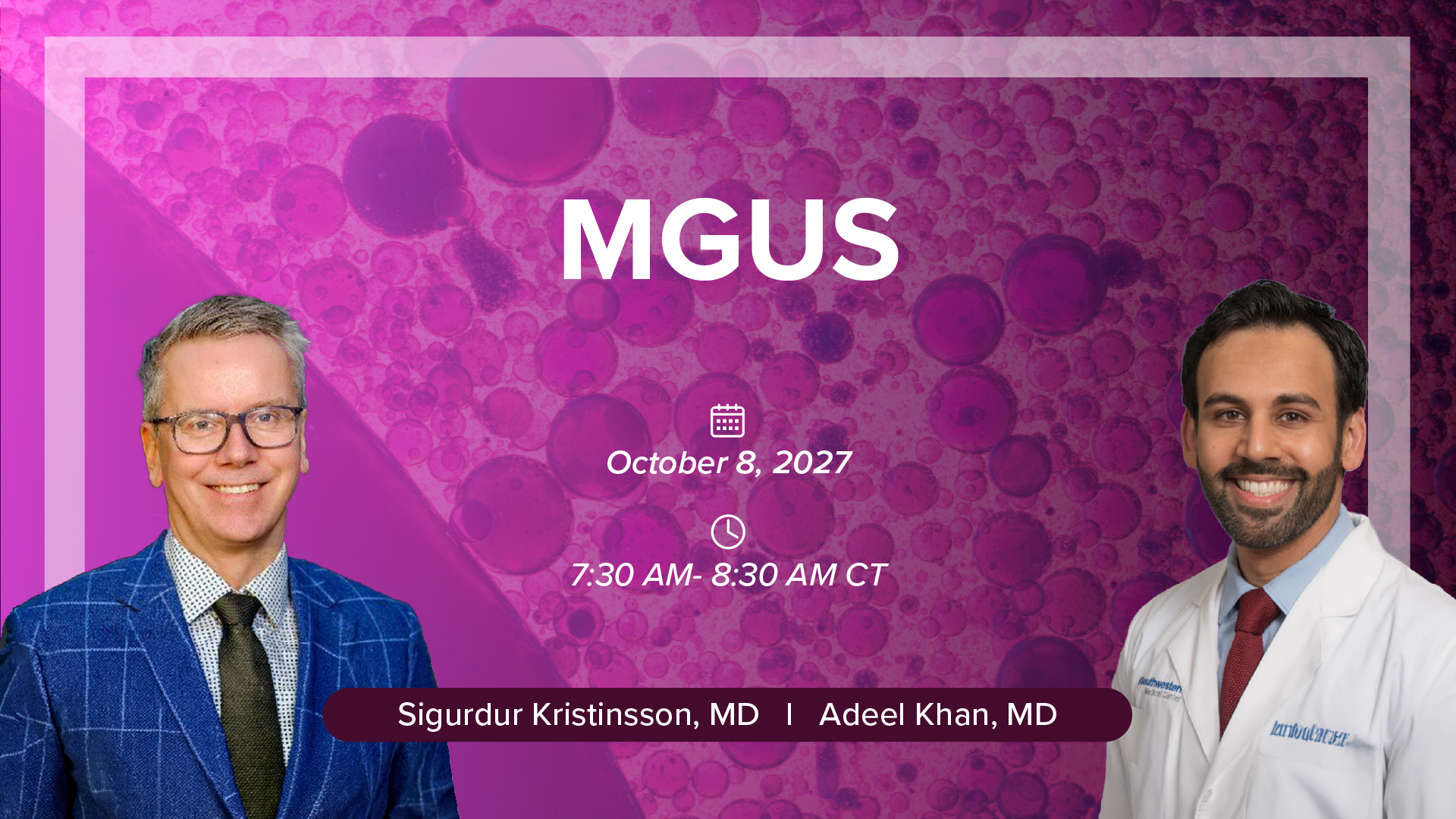
Sigurdur Kristinsson, MD, is a Professor of Hematology at the University of Iceland in Reykjavík and a specialist in internal medicine and hematology at the Landspitali University Hospital. He is the principal investigator of the iStopMM (Iceland Screens, Treats, or Prevents Multiple Myeloma) Project. He also received the inaugural Brian G.M. Durie Outstanding Achievement Award in 2018. Dr. Kristinsson has led several large population-based myeloma studies in collaboration with major research centers and is a frequent speaker at international hematology conferences. Dr. Kristinsson is currently consolidating his position as one of the leading researchers world-wide in the field of multiple myeloma, its precursors, its epidemiology, progression, and treatment. This has been the main thrust of his scientific and clinical efforts from the time he defended his thesis on monoclonal gammopathies at the Karolinska Institutet in 2009. In 2012 he became the youngest full professor at the Faculty of Medicine at the University of Iceland and he is a consultant at Landspitali University Hospital. He designed and leads the largest myeloma screening study in the world, the iStopMM project in which over 80,000 individuals provided informed consent. His current research group includes 7 PhD-students, three postdocs, a lab with 4 biologists, 6 research nurses, three statisticians/data manager, and five support staff. He is an author of more than 110 scientific papers including the current guidelines for myeloma treatment and follow up and has an h-index of 57.
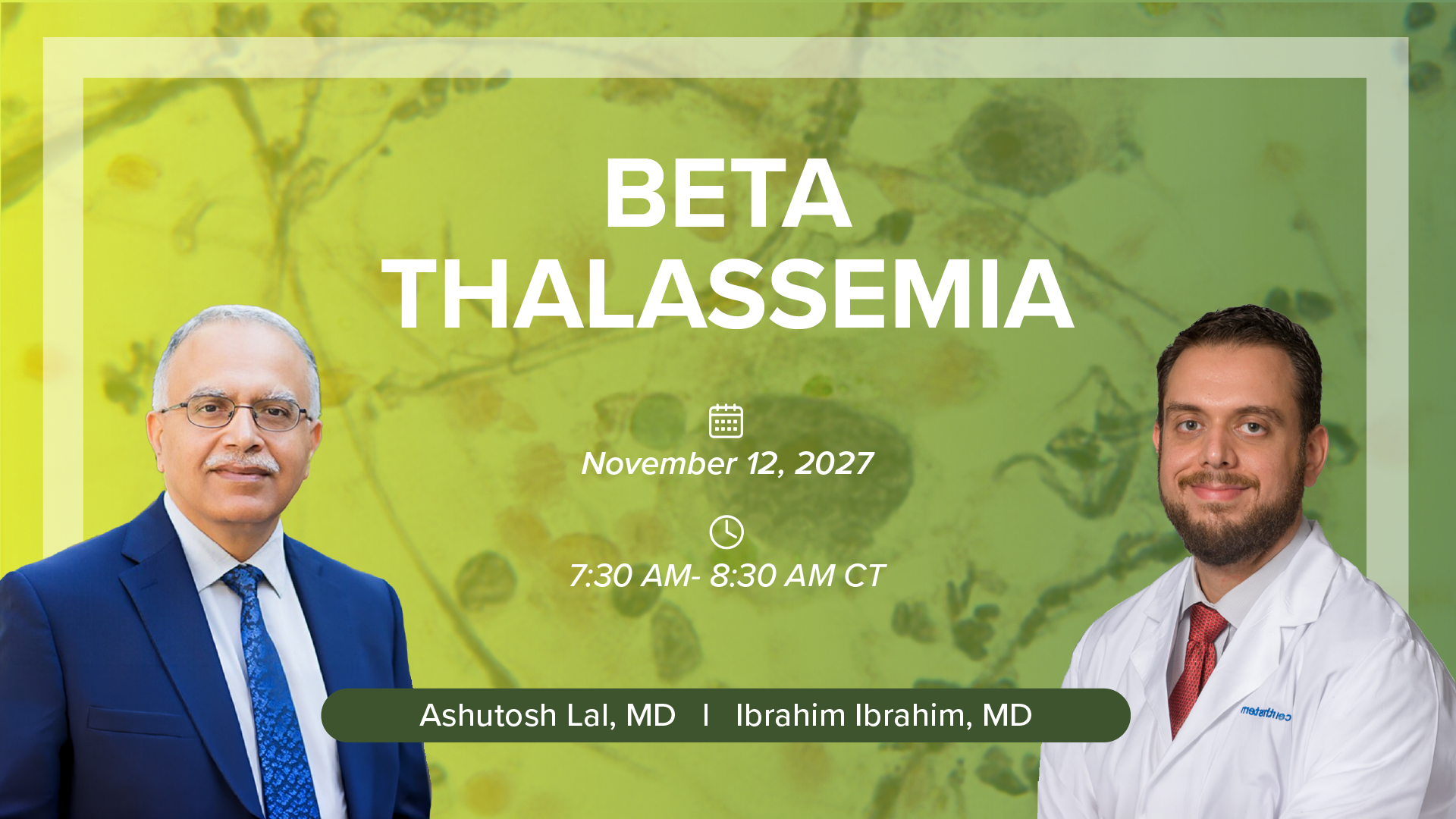
Ashutosh Lal, MD is a hematologist at University of California San Francisco Benioff Children’s Hospital Oakland and a Professor of Pediatrics at UCSF School of Medicine. He serves as the Director of Clinical Hematology, the Comprehensive Thalassemia Center and Iron Disorders Program, and the Hemoglobinopathy Diagnostics Laboratory. His clinical and academic interests focus on thalassemia, iron overload, and nutrition. Dr. Lal leads the Comprehensive Thalassemia Program in Oakland, which is one of the largest thalassemia programs in the United States and actively manages approximately 350 patients. His work focuses on improving the treatment and long-term care of patients with thalassemia and related blood disorders. His research includes the epidemiology and natural history of thalassemia, molecular diagnostics, iron measurement, micronutrient deficiencies, iron chelation, and new treatments for beta thalassemia. Through this research, he works to better understand thalassemia and develop more effective approaches to managing the disease and its complications. Dr. Lal is also the principal investigator of the Thalassemia Western Consortium, which receives federal support to improve access to specialized thalassemia care throughout the western United States. His clinical care, research, and leadership contribute to expanding specialized treatment and improving outcomes for patients with thalassemia.
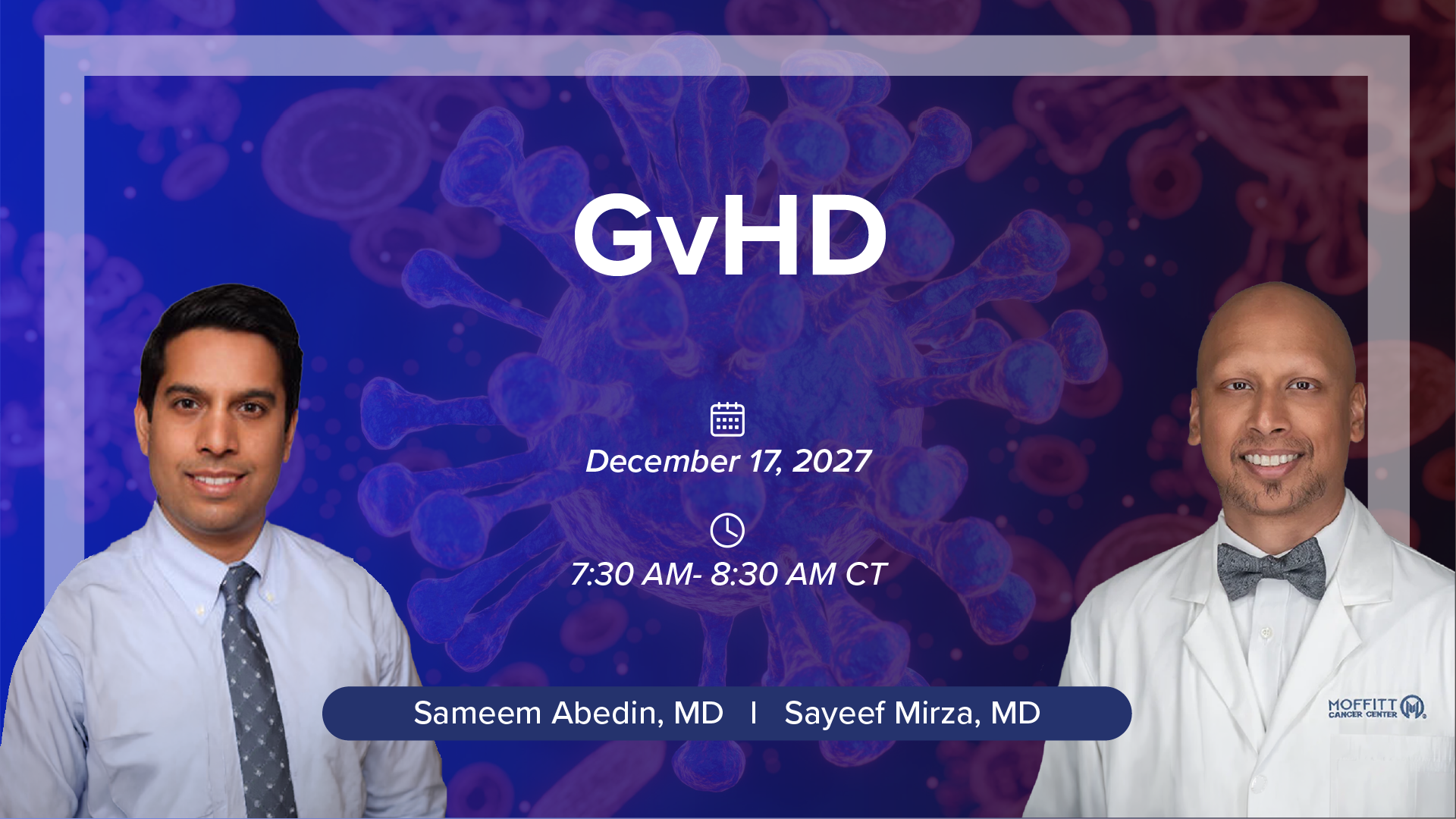
Sameem Abedin, MD, is an associate professor of medicine (hematology and oncology) at the Medical College of Wisconsin. His specialization is in leukemia and stem cell transplantation at Froedtert Hospital. He obtained his undergraduate degree at the University of Pennsylvania, PA, in 2004, and his medical degree at Jefferson Medical College in 2009. He completed his residency in Internal Medicine at the University of Pittsburgh Medical Center in Pittsburgh, PA, in 2012. In 2017, he then completed his fellowship in Hematology and Oncology at Northwestern University in Chicago, IL, where he also served as Chief Fellow. His current clinical and research interests include patients with acute leukemia, including AML and ALL, myelodysplastic syndromes (MDS), myeloproliferative neoplasms (MPNs), chronic myeloid leukemia (CML), and allogeneic stem cell transplantation for these conditions. His professional memberships include the American Society of Hematology and the American Society of Bone Marrow Transplantation. Dr. Abedin is board certified by the American Board of Internal Medicine (ABIM) in Internal Medicine, and in Hematology and Medical Oncology.
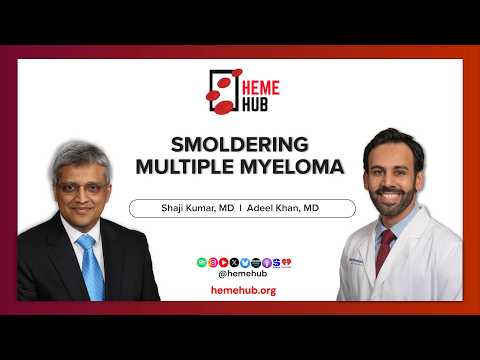
In their comprehensive discussion titled "Aplastic Anemia and Transplant," Richard Childs, MD and Taha Bat, MD provide crucial insights into the diagnosis and treatment of aplastic anemia, with a significant focus on various transplant considerations. They illustrate their points using a detailed case study of a 38-year-old female diagnosed with severe aplastic anemia. Throughout the talk, they meticulously cover essential aspects such as diagnostic procedures, the critical urgency of initiating transplant, the process of selecting an appropriate donor, the specifics of conditioning regimens, and vital post-transplant management strategies. Their presentation aims to guide medical professionals through the complex decision-making process involved in effectively managing patients with aplastic anemia.